Knowledge Graph Scripture & Encyclopedia

Search & Explore

Multimedia Filter:
Suggested topics:
Found 36 topics & entities and 24 verses in 1925ms • Auto-routed to All Matches (Hybrid)
Topic Overview

Siloam Inscription (Hezekiah's Tunnel)

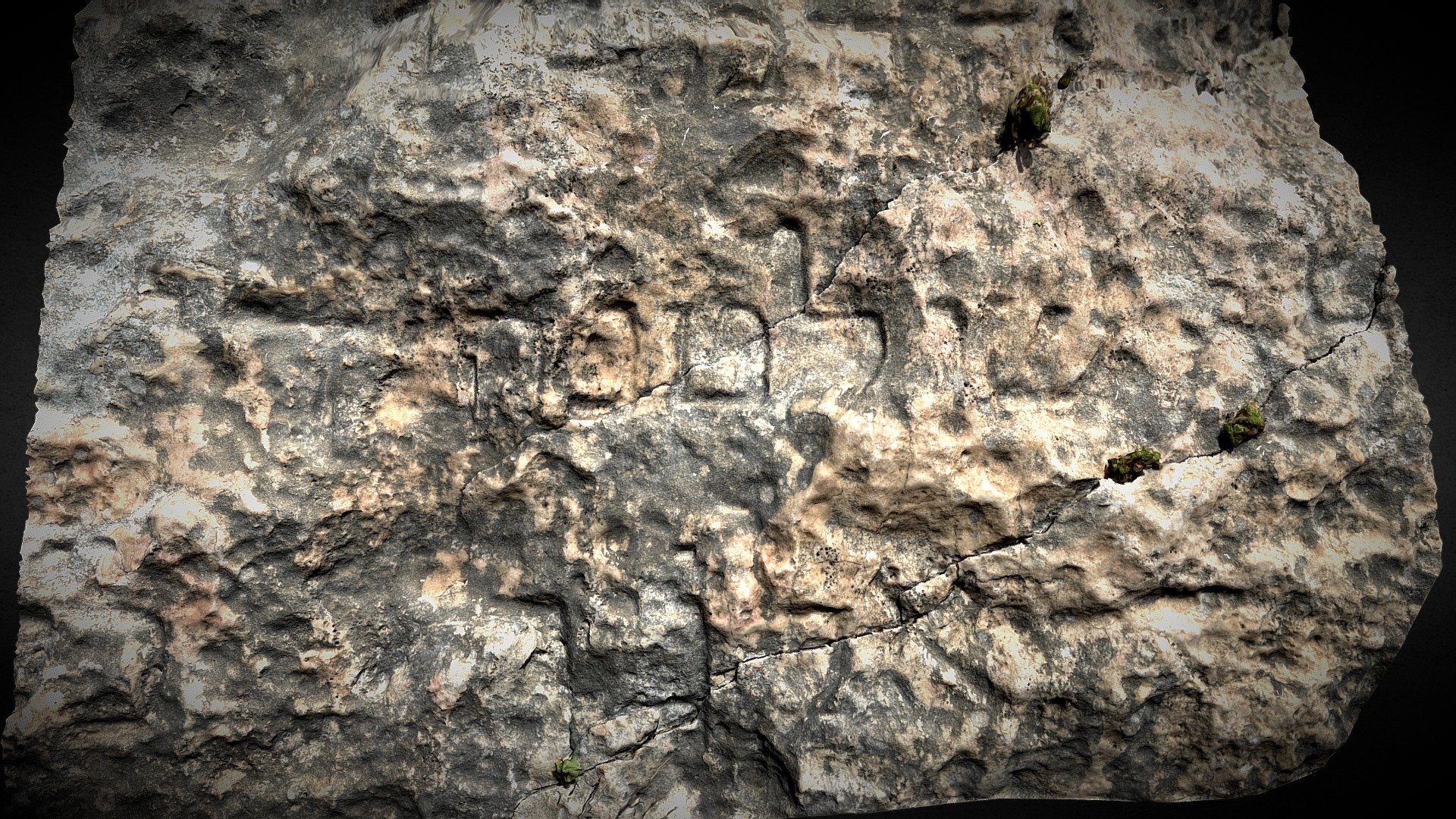
Siloam Inscription ( Hezekiah 's Tunnel) (Interactive 3D Relief Slab • 2 Kings 20:20 ): Monumental Paleo-Hebrew tunnel inscription celebrating the dramatic convergence of two teams of miners cutting the 533-meter water conduit through bedrock. Within the broader Biblical Knowledge Graph, this connects directly to Divided Kingdom of Israel and Judah —After the death of Solomon , the monarchy split under Rehoboam and Jeroboam ( 1 Kings 12 ) into the northern Kingdom of Israel (centered at Samaria ) and the southern Kingdom of Judah (ruled by the Davidic line in Jerusalem ).

Connected Genealogical Figures & Lineage

Hezekiah (Generation 46 • Messianic Line • Child of Ahaz ): Hezekiah is a biblical figure in Generation 46 of the Messianic Line , child of Ahaz , parent of Manasseh . ( 1 Chronicles 3:13 , Matthew 1:9 ) (mentioned in 2 Kings 16 , 2 Kings 18 , 2 Kings 19 )

Biblical Geography & Sacred Architecture

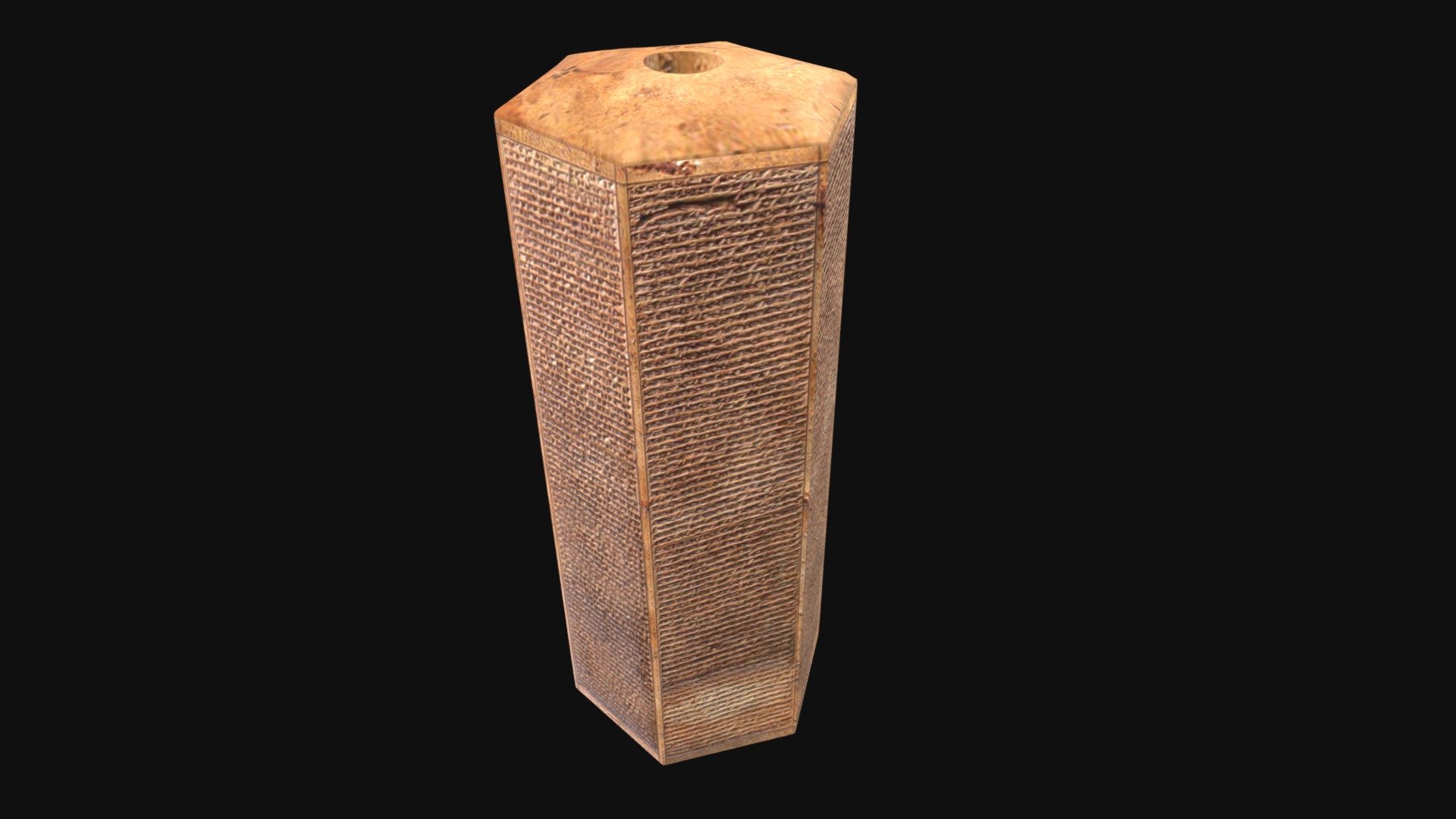
Key geographical locations connected to this topic include Siloam (Ancient biblical location referenced in Luke 13:4 , John 9:7 , John 9:11 (identified with Jerusalem ).) 3D Sanctuary Reconstructions: Siloam Inscription ( Hezekiah 's Tunnel) — Monumental Paleo-Hebrew tunnel inscription celebrating the dramatic convergence of two teams of miners cutting the 533-meter water conduit through bedrock. Sennacherib's Prism ( Taylor Prism ) — Six-sided baked clay prism discovered at Nineveh inscribed with the annals of Assyrian King Sennacherib's 701 BC campaign against Judah , famously declaring that he shut up ' Hezekiah the Judahite within Jerusalem , his royal city, like a bird in a cage'—without claiming to capture the city ( 2 Kings 19:32–36 ).

Scripture Witness (KJV) & Canonical Context

Primary KJV scripture witnesses include John 9:7 : "And said unto him, Go, wash in the pool of Siloam , (which is by interpretation, Sent.) He went his way therefore, and washed, and came seeing."; Luke 13:4 : "Or those eighteen, upon whom the tower in Siloam fell, and slew them, think ye that they were sinners above all men that dwelt in Jerusalem ?"; John 9:11 : "He answered and said, A man that is called Jesus made clay, and anointed mine eyes, and said unto me, Go to the pool of Siloam, and wash: and I went and washed, and I received sigh...". Related canonical books and chapters: 2 Kings 21 ( 2 Kings • Chapter 21 (26 verses)), 2 Kings 18 ( 2 Kings • Chapter 18 (37 verses)), Jeremiah 26 ( Jeremiah • Chapter 26 (24 verses)).

Connected Topics & Entities Book/Chapter Verse Person Place Lexicon Theology Commentary History Perspective

Topics, People & Places (36)

Siloam Inscription (Hezekiah's Tunnel) 3D & AR
Interactive 3D Relief Slab • 2 Kings 20:20

Monumental Paleo-Hebrew tunnel inscription celebrating the dramatic convergence of two teams of miners cutting the 533-meter water conduit through bedrock.

Hezekiah Tunnel Inscription (Siloam Inscription)
IMAGE • archaeology

Paleo-Hebrew monumental inscription carved inside the bedrock of Hezekiah 's water tunnel commemorating the breakthrough of the two tunneling crews ( 2 Kings 20:20 ).

Royal Hebrew Stonecutters of King Hezekiah • Istanbul Archaeology Museums / Wikimedia Commons Public Domain Mark 1.0
Siloam Tunnel Hebrew Inscription
IMAGE • archaeology

Paleo-Hebrew monumental inscription carved inside Hezekiah 's Tunnel recording the dramatic breakthrough of quarrymen.

Curators & Archaeologists of Istanbul Archaeology Museum • Istanbul Archaeology Museum / Wikimedia Commons Public Domain Mark 1.0
Siloam Tunnel Inscription
99% direct_archaeological
Late 8th-century BC monumental Paleo-Hebrew inscription recording the excavation of Hezekiah's water tunnel

A six-line Paleo-Hebrew inscription carved into the rock wall near the southern exit of the 533-meter subterranean conduit diverting water from the Gihon Spring to the Pool of Siloam .

Hezekiah's Broad Wall (Jewish Quarter)
IMAGE • archaeology

23-foot thick stone defensive fortification built by King Hezekiah to enclose Jerusalem's Western Hill against Sennacherib.

Curators & Archaeologists of Israel Antiquities Authority • Israel Antiquities Authority / Wikimedia Commons Public Domain Mark 1.0
Hezekiah's Tunnel Water Conduit Through Mount Zion Bedrock
IMAGE • geography

8th-century BCE subterranean aqueduct carved 533 meters through limestone bedrock to redirect Gihon Spring water to the Pool of Siloam .

Wikimedia Commons contributor • Wikimedia Commons CC-BY-SA 3.0
Hezekiah
99% Messianic Line
Generation 46 • Messianic Line • Child of Ahaz

Hezekiah is a biblical figure in Generation 46 of the Messianic Line , child of Ahaz , parent of Manasseh . ( 1 Chronicles 3:13 , Matthew 1:9 )

Wiki Article • History & Monarchy

After the death of Solomon , the monarchy split under Rehoboam and Jeroboam ( 1 Kings 12 ) into the northern Kingdom of Israel (centered at Samaria ) and the southern Kingdom of Judah (ruled by the Davidic line in Jerusalem ).

Sennacherib's Prism (Taylor Prism) 3D & AR
Interactive 3D Cuneiform Prism • 2 Kings 18–19 & Isaiah 36–37

Six-sided baked clay prism discovered at Nineveh inscribed with the annals of Assyrian King Sennacherib's 701 BC campaign against Judah , famously declaring that he shut up ' Hezekiah the Judahite within Jerusalem , his royal city, like a bird in a cage'—without claiming to capture the city ( 2 Kings 19:32–36 ).

Politarch Inscription of Thessalonica
90% direct_archaeological
Roman-period arch inscription from Thessalonica verifying the rare civic magistrate title 'politarch' used in Acts 17:6

A carved marble lintel from the western triumphal gate of Thessalonica honoring the city's civic magistrates, confirming the historical accuracy of Luke 's unique terminology.

Tel Dan Stele — 'House of David' (Bytdwd) Inscription
IMAGE • archaeology

Ninth-century BCE basalt stele fragment discovered in northern Israel preserving the earliest extra-biblical reference to King David 's dynasty (' House of David ').

Aram-Damascus Stonecutters • Israel Museum, Jerusalem / Wikimedia Commons CC-BY-SA 4.0
Siloam
85% Mapped Place
Biblical Place • Jerusalem • 31.777°N, 35.235°E

Ancient biblical location referenced in Luke 13:4 , John 9:7 , John 9:11 (identified with Jerusalem ).

Herodian Greek limestone slab warning Gentiles against entering the inner sacred courts on pain of death

A complete limestone warning slab that was affixed to the balustrade (Soreg) separating the Court of the Gentiles from the sanctified inner courts of Herod's Temple Mount.

Warren's Shaft Subterranean Water System
IMAGE • archaeology

Steep underground rock-cut tunnel and vertical shaft providing secure access to the Gihon Spring from within the city walls.

Curators & Archaeologists of City of David Foundation • City of David Foundation / Wikimedia Commons Public Domain Mark 1.0
Trumpeting Place Inscription
83% direct_archaeological
Herodian Hebrew cornerstone from the southwest pinnacle of the Temple Mount for Sabbath trumpet announcements

A large ashlar stone thrown down from the southwest parapet of the Temple Mount during the Roman destruction of 70 AD, bearing a Hebrew inscription demarcating the priest's station for blowing the silver trumpets.

Sennacherib Prism (Taylor Prism)
82% direct_archaeological
Neo-Assyrian hexagonal clay cylinder recording the 701 BC siege of Jerusalem and Hezekiah of Judah

A six-sided fired clay prism recording eight military campaigns of Sennacherib, containing the official Assyrian state perspective on the siege of Judah and Jerusalem in 701 BC.

Behistun Trilingual Rock Inscription
82% direct_archaeological
Late 6th-century BC monumental cliff relief of Darius I that served as the decipherment key for cuneiform scripts

A massive rock relief carved 100 meters up a limestone cliff detailing King Darius the Great's victory over the rebel Gaumata and nine rival claimants, written in Old Persian, Elamite, and Babylonian cuneiform.

יְהוָה
Yahweh [yah-WEH]
H3068 Hebrew proper name deity 6828x
the LORD, Yahweh

The proper covenant name of the God of Israel, the Tetragrammaton (YHWH), revealing God as the self-existent, eternally active, and covenant-faithful Redeemer ('I AM WHO I AM', Exodus 3:14). BDB: proper name of God of Israel, denoting Him who is continually present to redeem and fulfill His promises.

Derivation: From הָיָה (H1961) to be, exist; lit. 'He who causes to be' or 'He who is'.
Ketef Hinnom Silver Amulet Scrolls
81% direct_archaeological
7th-century BC tiny rolled silver plaques preserving the oldest surviving citation of biblical scripture (Priestly Blessing)

Two miniature rolled silver amulets (KH1 and KH2) discovered in an unlooted burial repository beneath St. Andrew's Church in Jerusalem , unrolled in 1980 to reveal microscopic Paleo-Hebrew text.

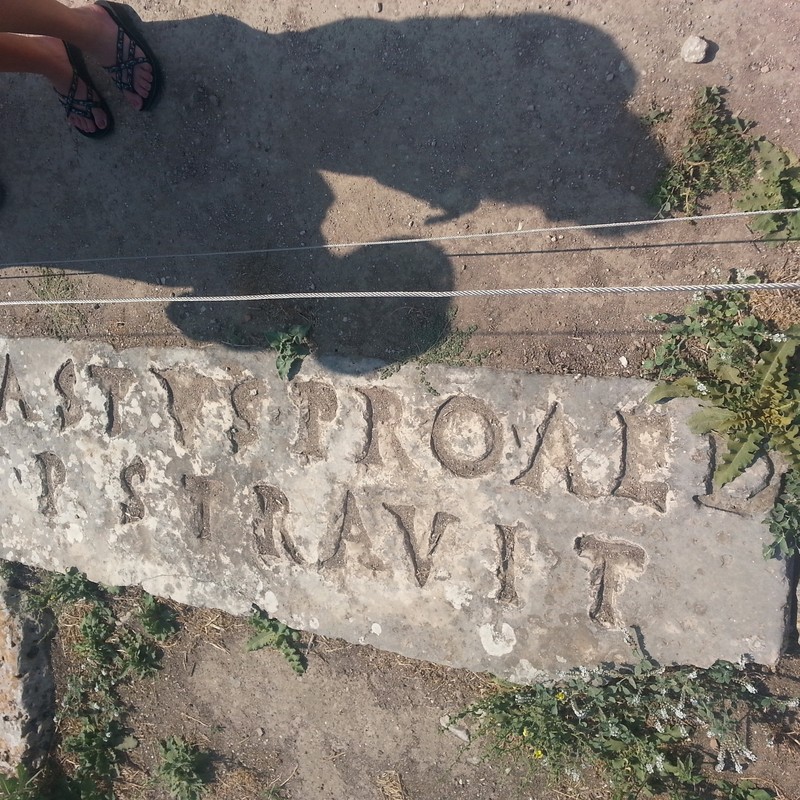
Erastus Inscription at Corinth 3D & AR
Interactive 3D Pavement Inscription • Romans 16:23

Latin limestone pavement inscription near the Corinth theater reading 'ERASTVS PRO AEDILITATE S P STRAVIT' (Erastus in return for his aedileship laid this pavement at his own expense).

Widow's Mite (Alexander Jannaeus Lepton)
IMAGE • archaeology

Bronze prutah/lepton of Hasmonean King Alexander Jannaeus with eight-rayed star and paleo-Hebrew inscription.

Curators & Archaeologists of Israel Museum • Israel Museum / Wikimedia Commons Public Domain Mark 1.0
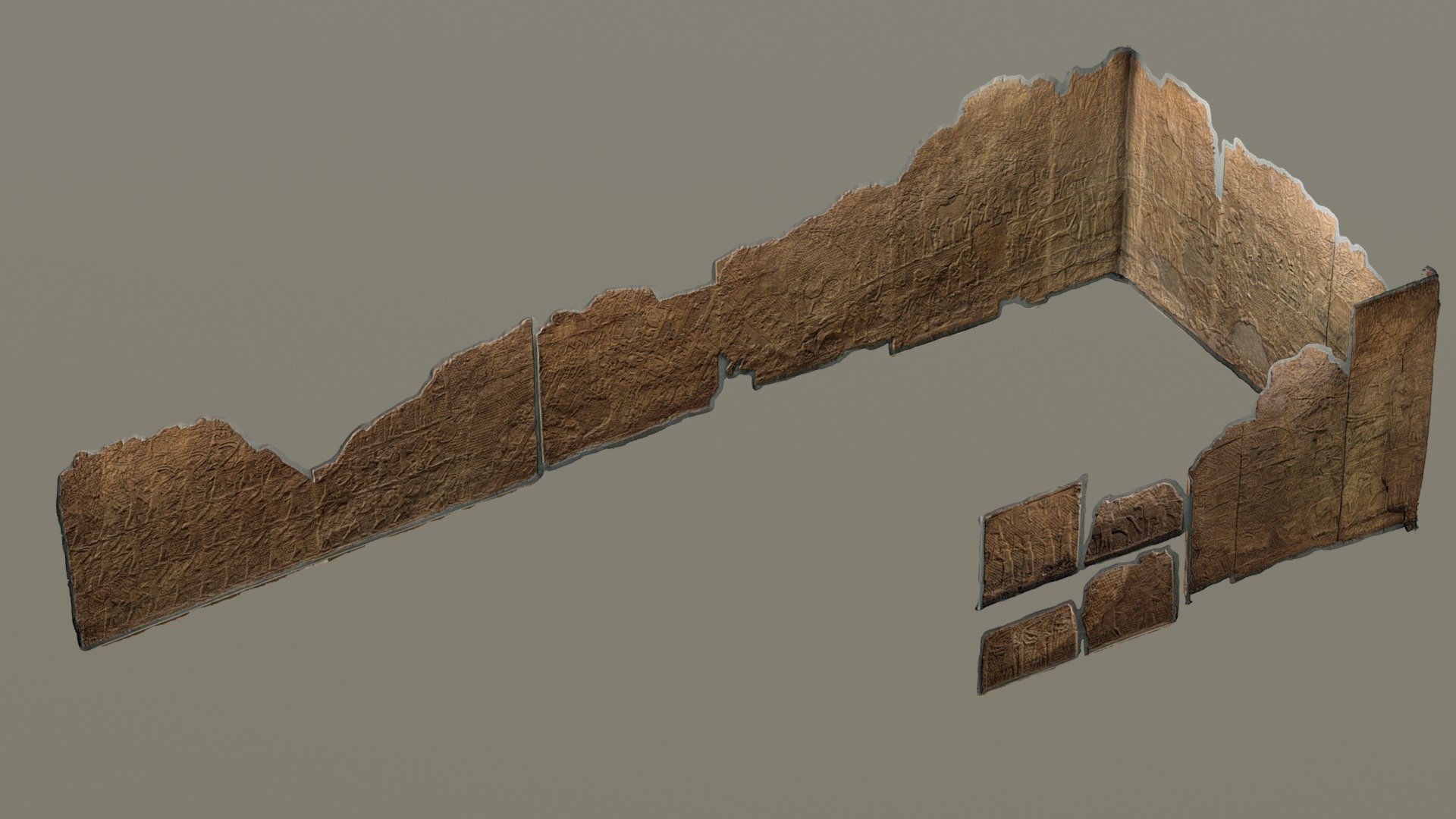
Siege of Lachish Relief 3D & AR
Interactive 3D Museum Relief • 2 Kings 18:13–17

Assyrian carved gypsum wall relief from King Sennacherib's South-West Palace at Nineveh depicting the 701 BC siege of the fortified Judean city of Lachish during the reign of King Hezekiah ( 2 Kings 18:14 ; Isaiah 36:1–2 ).

Kurkh Monoliths — Shalmaneser III Inscription Mentions Ahab
IMAGE • archaeology

Assyrian stele documenting the Battle of Qarqar (853 BCE), listing 'Ahab the Israelite' contributing 2,000 chariots and 10,000 troops.

Neo-Assyrian Scribes of Shalmaneser III • The British Museum, London CC-BY-SA 4.0
Sergius Paullus Cyprus Inscriptions
79% direct_archaeological
1st-century AD Greek inscriptions from Soli and Paphos confirming Quintus Sergius Paullus as Proconsul of Cyprus

Epigraphic stone inscriptions naming Lucius or Quintus Sergius Paullus as proconsul (anthypatos) of Cyprus during the reign of Claudius, verifying Luke 's administrative accuracy in Acts 13 .

Kurkh Monolith of Shalmaneser III
79% direct_archaeological
Neo-Assyrian cuneiform stele documenting the 853 BC Battle of Qarqar and Ahab the Israelite

A 2.2-meter rounded limestone stele containing an annalistic account of the western campaigns of Shalmaneser III, culminating in the titanic Battle of Qarqar against a twelve-king anti-Assyrian coalition.

Gallio Delphi Inscription 3D & AR
Interactive 3D Epigraphic Inscription • Acts 18:12–17

Fragmentary Greek letter of Emperor Claudius at Delphi naming Proconsul L. Junius Gallio, providing the absolute chronological anchor for Paul's Corinthian ministry.

Merneptah Stele (Israel Stele)
78% direct_archaeological
Late 13th-century BC Egyptian victory monument containing the earliest extra-biblical mention of 'Israel'

A 3.18-meter black granite commemorative stela of Pharaoh Merneptah detailing military campaigns in Libya and Canaan , concluding with a poetic victory song that lists conquered peoples including Ashkelon , Gezer , Yanoam, and Israel .

Ancient Hebrew Tomb Inscription (Kidron Valley) 3D & AR
Interactive 3D Epigraphic Scan • Isaiah 22:15–16

Monumental Hebrew inscription carved into the limestone cliffside tombs along the eastern slope of the Kidron Valley opposite the Temple Mount in Jerusalem , echoing Isaiah 's oracle concerning royal stewards hewing rock-cut sepulchres on high ( Isaiah 22:15–16 ).

מֶלֶךְ
melek (meleḵ) [MEH-lekh]
H4428 Hebrew noun masculine 2530x
king, royal sovereign

King, sovereign ruler; human earthly king under the covenant law (Deuteronomy 17) and supremely Yahweh as cosmic King of kings ruling from Zion.

Derivation: From מָלַךְ (H4427) to reign.
Stone rescript of Emperor Claudius at Delphi fixing the proconsulship of Gallio and anchoring Paul's chronology

Nine limestone fragments of an imperial letter from Emperor Claudius to the city of Delphi, citing recommendations made by 'Lucius Junius Gallio, my friend and proconsul of Achaia '.

2 Kings 21
75% Chapter
2 Kings • Chapter 21 (26 verses)

Manasseh was twelve years old when he began to reign, and reigned fifty and five years in Jerusalem . And his mother's name was Hephzi–bah. And he did that which was evil in the sight of the Lord, after the abominations of the heathen, whom the Lord cast out before the children of... Mentions: Manasseh , Jacob/Israel , Hezekiah , Baal , David , Jerusalem , Samaria , Egypt , Uzza .

1st-century AD stepped monumental ritual immersion pool excavated at the southern end of the City of David

A massive, trapezoidal stone-stepped pool fed by the Siloam Tunnel, measuring over 60 meters wide with three sets of five stone stairs separated by landings, used by thousands of Jewish pilgrims for ritual purification before ascending the Stepped Pilgrimage Street to the Temple.

Taylor Prism (Sennacherib's Annals) — Siege of Jerusalem
IMAGE • archaeology

Hexagonal baked clay prism in the British Museum recording Sennacherib's campaign against Hezekiah : 'I shut him up like a caged bird'.

Neo-Assyrian Royal Scribes of Sennacherib • The British Museum, London CC-BY-SA 4.0
1st-century AD limestone plaza pavement carved by Erastus, civic commissioner of public works (aedile)

A large paved limestone plaza north of the Corinthian theater containing a deep Latin inscription inlaid with metal letters, commemorating an aedile named Erastus who paved the plaza at his own expense.

2 Kings 18
73% Chapter
2 Kings • Chapter 18 (37 verses)

Now it came to pass in the third year of Hoshea son of Elah king of Israel , that Hezekiah the son of Ahaz king of Judah began to reign. Twenty and five years old was he when he began to reign; and he reigned twenty and nine years in Jerusalem . His mother's name also was Abi, the ... Mentions: Jacob/Israel , Hezekiah , Ahaz , Judah , David , Jerusalem , Assyria , Gaza , Samaria , Halah .

Jeremiah 26
73% Chapter
Jeremiah • Chapter 26 (24 verses)

In the beginning of the reign of Jehoiakim the son of Josiah king of Judah came this word from the Lord, saying, Thus saith the Lord; Stand in the court of the Lord's house, and speak unto all the cities of Judah , which come to worship in the Lord's house, all the words that I co... Mentions: Jehoiakim (or Eliakim), Josiah , Judah, Micah , Hezekiah , Shiloh , Zion , Jerusalem , Egypt .

Scripture Passages (24)

And said unto him, Go, wash in the pool of Siloam , (which is by interpretation, Sent.) He went his way therefore, and washed, and came seeing.

Or those eighteen, upon whom the tower in Siloam fell, and slew them, think ye that they were sinners above all men that dwelt in Jerusalem ?

He answered and said, A man that is called Jesus made clay, and anointed mine eyes, and said unto me, Go to the pool of Siloam , and wash: and I went and washed, and I received sight.

For as I passed by, and beheld your devotions, I found an altar with this inscription, TO THE UNKNOWN GOD. Whom therefore ye ignorantly worship, him declare I unto you.

And Hezekiah prayed unto the Lord, saying,

At that time Berodach–baladan, the son of Baladan, king of Babylon , sent letters and a present unto Hezekiah : for he had heard that Hezekiah had been sick.

And Hezekiah received the letter from the hand of the messengers, and read it: and Hezekiah went up unto the house of the Lord, and spread it before the Lord.

And Hezekiah received the letter of the hand of the messengers, and read it: and Hezekiah went up into the house of the Lord, and spread it before the Lord.

The children of Ater of Hezekiah , ninety and eight.

So the servants of king Hezekiah came to Isaiah .

The children of Ater of Hezekiah , ninety and eight.

This same Hezekiah also stopped the upper watercourse of Gihon , and brought it straight down to the west side of the city of David . And Hezekiah prospered in all his works.

So the servants of king Hezekiah came to Isaiah .

Notwithstanding Hezekiah humbled himself for the pride of his heart, both he and the inhabitants of Jerusalem , so that the wrath of the Lord came not upon them in the days of Hezekiah .

And the Lord hearkened to Hezekiah , and healed the people.

Then came Isaiah the prophet unto king Hezekiah , and said unto him, What said these men? and from whence came they unto thee? And Hezekiah said, They are come from a far country, even from Babylon .

And the sons of Neariah; Elioenai, and Hezekiah , and Azrikam , three.

And Isaiah said unto Hezekiah , Hear the word of the Lord.

At that time did Hezekiah cut off the gold from the doors of the temple of the Lord, and from the pillars which Hezekiah king of Judah had overlaid, and gave it to the king of Assyria .

Then came Isaiah the prophet unto king Hezekiah , and said unto him, What said these men? and from whence came they unto thee? And Hezekiah said, They are come from a far country unto me, even from Babylon .

Then Hezekiah questioned with the priests and the Levites concerning the heaps.

Then Hezekiah turned his face toward the wall, and prayed unto the Lord,

Link copied to clipboard
Article Wiki

Title

Open Page → Explore