1
Literal Translation / Primary Inscription
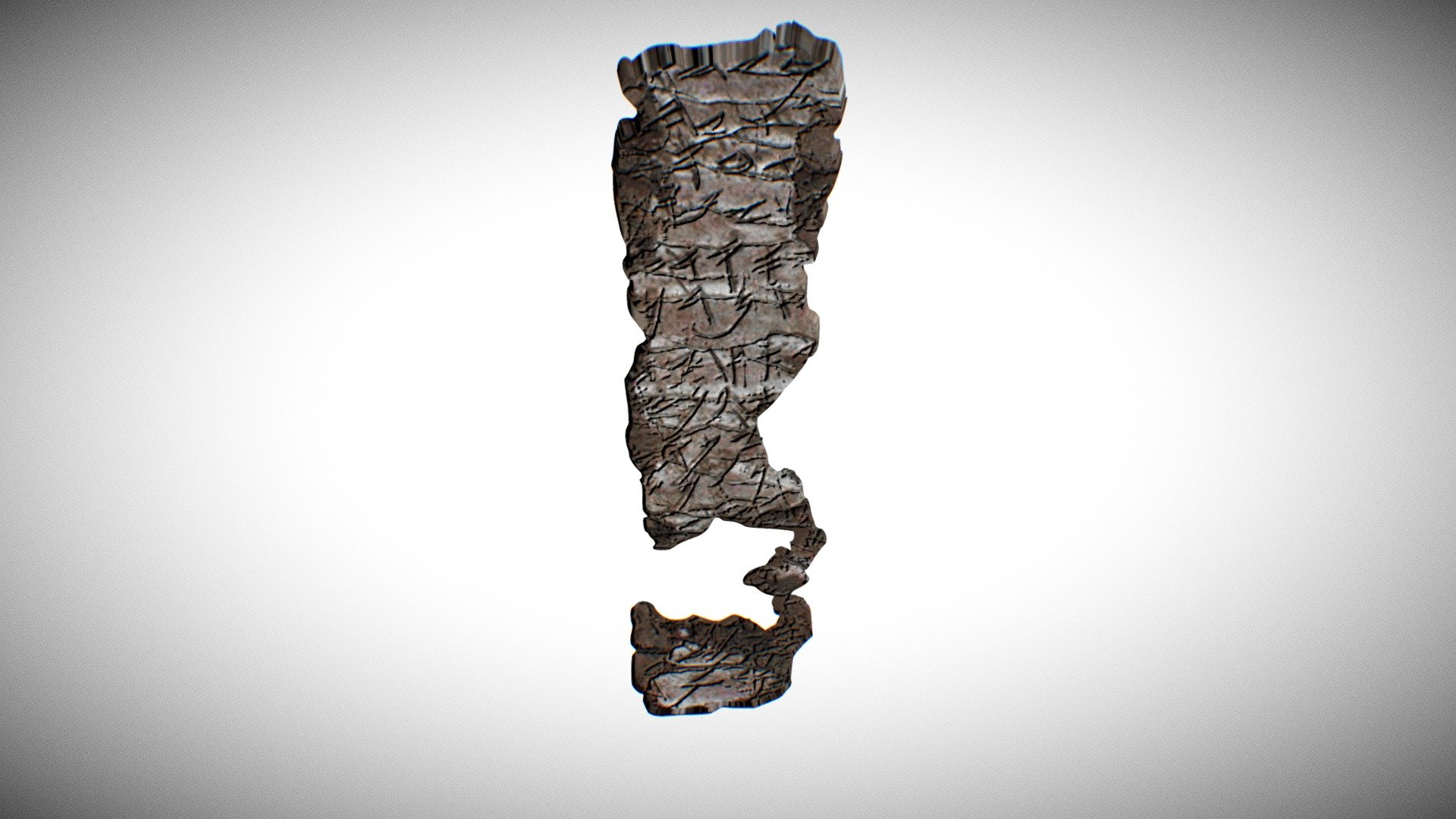
Epigraphic RecordKH2 lines 5–12 reads: 'May YHWH bless you and keep you; may YHWH make his face shine upon you and give you peace', exactly matching the Priestly Blessing of Numbers 6:24–26.
7th-century BC tiny rolled silver plaques preserving the oldest surviving citation of biblical scripture (Priestly Blessing)
Two miniature rolled silver amulets (KH1 and KH2) discovered in an unlooted burial repository beneath St. Andrew's Church in Jerusalem, unrolled in 1980 to reveal microscopic Paleo-Hebrew text.
Rigorous 4-part empirical analysis separating ancient text from bias and consensus
KH2 lines 5–12 reads: 'May YHWH bless you and keep you; may YHWH make his face shine upon you and give you peace', exactly matching the Priestly Blessing of Numbers 6:24–26.
Provides physical proof that the Priestly Blessing of Numbers 6:24–26 and Deuteronomy's covenant love formulas (`DEU.7:9`) were in active liturgical use in pre-exilic Jerusalem prior to the Babylonian destruction.
In 2004, high-resolution photographic analysis using advanced multispectral imaging by the West Semitic Research Project (Barkay, Lundberg, Zuckerman) definitively disproved late Hellenistic dating hypotheses, locking the date to ~600 BC.
Apotropaic personal burial amulets worn around the neck for protection against evil and illness; reflects deeply personal Yahwistic piety rather than royal state propaganda.