 IMAGE
Codex Sinaiticus — Gospel of John 21:7 Folio
Fourth-century uncial manuscript (GA 01) written in Koine Greek on parchment, depicting John 21:7 with Peter leaping into the Sea of Tiberias.
Explore 462 curated open-access historical artifacts, 51 interactive 3D reconstructions & museum scans, ancient manuscripts, archaeological photography, sacred artwork, scripture narration, and scholarly monographs.
IMAGE Fourth-century uncial manuscript (GA 01) written in Koine Greek on parchment, depicting John 21:7 with Peter leaping into the Sea of Tiberias.
 IMAGE
The earliest surviving manuscript witness to the New Testament, preserving John 18:31-33 depicting the trial of Jesus before Pontius Pilate.
 IMAGE
Verso of P52 containing Christ's famous declaration: 'Everyone who belongs to the truth listens to my voice' and Pilate's question 'What is truth?'.
 IMAGE
The famous Suffering Servant chapter (Isaiah 52:13–53:12) in Hebrew from the Great Isaiah Scroll.
 IMAGE
The longest scroll found at Qumran detailing God's divine architectural blueprint for the Temple.
 IMAGE
Eschatological commentary (pesher) interpreting Habakkuk's prophecies in light of the Teacher of Righteousness.
 IMAGE
Foundational charter of the Essene covenant community at Qumran detailing the Sons of Light.
 IMAGE
The apocalyptic battle between the Sons of Light and Sons of Darkness in the end times.
 IMAGE
Third-century papyrus codex preserving early readings of Mark and the synoptic tradition.
 IMAGE
Earliest surviving collection of the Pauline epistles (c. 175–225 CE) including Hebrews.
 IMAGE
Preserving Paul's declaration of adoption as sons ('Abba, Father') and the Spirit's intercession.
 IMAGE
Paul's discourse on Love ('Love is patient, love is kind') in early 3rd-century papyrus Greek.
 IMAGE
Magnificent early 3rd-century papyrus witness to the Johannine Prologue and the Incarnation.
 IMAGE
Papyrus leaf preserving Christ's declaration: 'I am the resurrection and the life'.
 IMAGE
Pivotal witness showing close textual agreement between early 3rd-century papyri and Codex Vaticanus.
 IMAGE
Unbroken transition showing Gospel canonical sequence in early Christian book production.
 IMAGE
The oldest complete manuscript of the Hebrew Bible (dated 1008 CE), with full Tiberian Masorah.
 IMAGE
The foundational Jewish confession of monotheism with enlarged letters Ayin and Dalet forming 'Witness'.
 IMAGE
The Decalogue preserved with upper and lower cantillation marks in the Tiberian masoretic tradition.
 IMAGE
Opening folio of the Tehillim (Psalms) with poetic layout and accentuation.
 IMAGE
Masoretic Hebrew text of the Fourth Servant Song with critical masorah parva and magna.
 IMAGE
Poetic brickwork layout (stichometry) in the premier authority of the Hebrew Masoretic Bible.
 IMAGE
Prophetic opening folio of Isaiah surviving from the Aleppo Crown before its mid-20th century loss.
 IMAGE
Fifth-century Greek manuscript representing the Byzantine textual tradition in the Gospels.
 IMAGE
Uncial folio depicting Christ's ascension and the waiting apostles in Jerusalem.
 IMAGE
The best surviving early manuscript witness to the text of the Book of Revelation.
 IMAGE
Genealogy of Jesus Christ from Abraham through David in prime Alexandrian text-type.
 IMAGE
Paul's thesis of the Gospel: 'The righteous shall live by faith' (Habakkuk 2:4 quotation).
 IMAGE
Fifth-century Gospels codex in the Smithsonian preserving an expanded post-resurrection dialogue.
 IMAGE
Insular masterpiece (c. 700 CE) featuring intricate Celtic knotwork and Old English glosses.
 IMAGE
One of the most famous manuscript pages in human history, celebrating the Incarnation of Christ (Christi autem generatio).
 IMAGE
Ninth-century BCE basalt stele fragment discovered in northern Israel preserving the earliest extra-biblical reference to King David's dynasty ('House of David').
 IMAGE
Inscribed black basalt slab (c. 840 BCE) recording King Mesha's rebellion against Israel, mentioning Omri, Chemosh, and the Sacred Name YHWH.
 IMAGE
Ancient clay cylinder inscribed in Babylonian cuneiform (539 BCE) detailing Cyrus the Great's decree permitting exiled peoples to return to their homelands and rebuild their sanctuaries.
 IMAGE
Limestone block discovered in Caesarea Maritima bearing a Latin dedicatory inscription naming 'Pontius Pilatus, Prefect of Judea', confirming his historical governorship.
 IMAGE
Intricately carved limestone ossuary excavated in the Peace Forest south of Jerusalem, inscribed 'Joseph, son of Caiaphas' (Yehosef bar Qayafa).
 IMAGE
Seventh-century BCE rolled silver amulet discovered in a burial cave overlooking the Valley of Hinnom, preserving the earliest known citation of biblical scripture.
 IMAGE
Paleo-Hebrew monumental inscription carved inside the bedrock of Hezekiah's water tunnel commemorating the breakthrough of the two tunneling crews (2 Kings 20:20).
 IMAGE
Neo-Assyrian bas-relief (825 BCE) showing King Jehu bowing before the Assyrian monarch, the only contemporary depiction of an Israelite king.
 IMAGE
Hexagonal baked clay prism in the British Museum recording Sennacherib's campaign against Hezekiah: 'I shut him up like a caged bird'.
 IMAGE
Stone wall relief from Sennacherib's Southwest Palace at Nineveh depicting the siege, battering rams, and deportation of Lachish (701 BCE).
 IMAGE
Egyptian hieroglyphic victory poem from 1208 BCE preserving the earliest historical inscription naming 'Israel' as a people in Canaan.
 IMAGE
Monumental stone steps and promenade where Jesus sent the man born blind to wash in John 9:7.
 IMAGE
Deep excavated trapezoidal reservoir near the Sheep Gate in Jerusalem with five porticoes where Jesus healed the paralytic.
 IMAGE
Stone revetment and collapsed mudbrick ramparts at ancient Jericho, the lowest and oldest fortified city on earth.
 IMAGE
Colossal rock relief in Iran carved in Old Persian, Elamite, and Babylonian, key to deciphering cuneiform and Persian royal decrees in Ezra.
 IMAGE
Paved limestone plaza inscription in ancient Corinth reading 'Erastus in return for his aedileship laid this pavement at his own expense'.
 IMAGE
Assyrian stele documenting the Battle of Qarqar (853 BCE), listing 'Ahab the Israelite' contributing 2,000 chariots and 10,000 troops.
 IMAGE
Ancient clay sealing reading 'Belonging to Berekhyahu, son of Neriyahu, the scribe' matching Jeremiah 36:4.
 IMAGE
Impression of the royal signet ring of King Hezekiah featuring a two-winged sun disk and ankh symbols.
 IMAGE
Clay sealing unearthed just south of the Temple Mount bearing the inscription 'Yesha'yahu [N]vy' (Isaiah the Prophet).
 IMAGE
Colossal 12-story high terraced retaining wall supporting the royal palace acropolis of the City of David.
 IMAGE
Burned parchment scroll from an ancient synagogue virtually unrolled with micro-computed tomography to reveal Leviticus 1-2.
 IMAGE
Rescript of Emperor Claudius dating the proconsulship of Gallio in Corinth to 51–52 CE, the chronological anchor of Pauline chronology.
 IMAGE
Marble slab inscribed with an imperial ordinance imposing capital punishment on tomb violators, found in Nazareth.
 IMAGE
Hewn sandstone blocks of a sacrificial altar with corner horns dismantled during Hezekiah's or Josiah's religious reforms.
 IMAGE
Monumental six-chambered ashlar gate matching royal engineering at Hazor and Gezer (1 Kings 9:15).
 IMAGE
Limestone tablet recording the twelve agricultural months of the biblical year in archaic northwest Semitic script.
 IMAGE
Aramaic inscription stone from the Mount of Olives reading 'Hither were brought the bones of Uzziah, king of Judah; do not open!'.
 IMAGE
Hexagonal cuneiform prism recording Sennacherib's capture of 46 fortified Judean cities and tribute from Hezekiah.
 IMAGE
Cuneiform tablet discovered at Nineveh preserving the ancient Mesopotamian account of the catastrophic global deluge and ark.
 IMAGE
Seven tablets recounting the battle between Marduk and Tiamat, contrasting with the monotheistic Genesis creation narrative.
 IMAGE
Diorite stele in the Louvre Museum with 282 legal statutes illustrating Ancient Near Eastern covenantal jurisprudence.
 IMAGE
Aramaic letter instructing the Jewish garrison at Elephantine on the observance of the Feast of Unleavened Bread.
 IMAGE
Leather pouch containing 35 legal papyri preserved in the Judean wilderness during the Bar Kokhba revolt.
 IMAGE
Military dispatches from the leader of the Second Jewish Revolt (132–135 CE) found in Nahal Hever.
 IMAGE
Carved hippopotamus ivory plaque showing an enthroned ruler receiving tribute and drinking from a lotus chalice.
 IMAGE
Basalt lion sculpture from the Late Bronze Age temple at Tel Hazor, 'the head of all those kingdoms' (Joshua 11:10).
 IMAGE
Monumental stone podium and horned altar enclosure established by Jeroboam I at Dan to rival Jerusalem.
 IMAGE
Intricate openwork ivory plaques with Egyptianizing motifs from the royal palace at Samaria (1 Kings 22:39).
 IMAGE
Phoenician and Syrian ivory carvings captured as booty by the Assyrian empire, parallel to prophetic condemnations.
 IMAGE
Pottery sherd letter written on the eve of Nebuchadnezzar's destruction: 'We are watching for the fire signals of Lachish'.
 IMAGE
Judahite fortress letter mentioning provisions for the travelers and 'the House of YHWH' in Jerusalem.
 IMAGE
Red and black ink plaster wall inscription in Jordan recounting visions of the seer 'Balaam, son of Beor' (Numbers 22).
 IMAGE
Rock-cut tomb inscription in the Kidron Valley attributed to Shebna, the royal steward rebuked by Isaiah (Isaiah 22:15).
 IMAGE
Massive drafted limestone building erected by Herod the Great over the traditional burial cave of Abraham and Sarah.
 IMAGE
Enormous carved spring stone projecting from the southwestern corner of the Temple Mount that supported a colossal staircase.
 IMAGE
Hebrew stone found at the foot of the Temple Mount inscribed 'To the place of trumpeting to declare the Sabbath'.
 IMAGE
Limestone slab warning non-Jews on pain of death not to enter past the balustrade (soreg) into the inner Temple courts (Acts 21:28).
 IMAGE
Preserved basalt and limestone theater and colonnaded street of the chief city of the Decapolis.
 IMAGE
Herodian and Hadrianic high-level aqueduct carrying fresh spring water from Mount Carmel to the port city of Caesarea.
 IMAGE
Topographical and geopolitical map of Mesopotamia, the Levant, and Egypt during the patriarchal and imperial eras.
 IMAGE
Cartographic reconstruction of Abram's migratory route across the Fertile Crescent following God's call (Genesis 12).
 IMAGE
Route of Jacob from Beersheba to Bethel, Haran, Peniel (Jabbok River), and Shechem.
 IMAGE
Traditional and scholarly proposed routes of the Israelite Exodus from Goshen across the Red Sea into the Sinai peninsula.
 IMAGE
Station route from Mount Sinai / Horeb through Kadesh-barnea, Edom, and Moab to the Jordan crossing.
 IMAGE
Territorial borders and inheritance divisions allotted to the twelve tribes of Israel under Joshua and Eleazar.
 IMAGE
Geographic zones of Deborah, Gideon, Jephthah, and Samson battling Canaanites, Midianites, and Philistines.
 IMAGE
The maximum territorial extent of the Kingdom of Israel from the Euphrates River to the Brook of Egypt (c. 1000–930 BCE).
 IMAGE
Borders between the Northern Kingdom of Israel (capital Samaria) and the Southern Kingdom of Judah (capital Jerusalem).
 IMAGE
Sites across Israel and Phoenicia: Mount Carmel, Brook Cherith, Zarephath, Shunem, and Dothan.
 IMAGE
Military campaigns of Ben-Hadad, Tiglath-Pileser III, and Shalmaneser V culminating in the siege of Samaria.
 IMAGE
The deportation of the ten northern tribes of Israel to Halah, Habor, and the cities of the Medes.
 IMAGE
The march of the Assyrian army down the Judean coastal plain, siege of Lachish, and encirclement of Jerusalem.
 IMAGE
Nebuchadnezzar's siege lines, destruction of the First Temple, and deportation of the exiles to Babylon.
 IMAGE
The twenty satrapies of the Achaemenid Empire and the return routes of Zerubbabel, Ezra, and Nehemiah.
 IMAGE
Archaeological reconstruction of the gates (Sheep, Fish, Valley, Dung, Fountain) and sectors rebuilt by the returnees.
 IMAGE
The division of Alexander's empire and Palestine as a contested battleground between Syria and Egypt.
 IMAGE
Territorial expansion under Judas Maccabeus, Jonathan, Simon, John Hyrcanus, and Alexander Jannaeus.
 IMAGE
The client kingdom of Herod divided into Judea, Samaria, Galilee, Perea, and the Decapolis.
 IMAGE
Capernaum, Bethsaida, Chorazin, Nazareth, Mount of Beatitudes, and boat journeys across the Sea of Galilee.
 IMAGE
Mount of Olives, Gethsemane, Upper Room, House of Caiaphas, Antonia Fortress, and Golgotha.
 IMAGE
Expansion of the Gospel from Pentecost in Jerusalem through Samaria, Damascus, Joppa, Caesarea, and Antioch.
 IMAGE
Antioch to Cyprus (Salamis, Paphos), Perga, Pisidian Antioch, Iconium, Lystra, and Derbe.
 IMAGE
Cilicia, Galatia, Troas (Macedonian Call), Philippi, Thessalonica, Berea, Athens, and Corinth.
 IMAGE
Extended 3-year ministry in Ephesus, visit to Macedonia and Greece, and journey to Jerusalem.
 IMAGE
Sea voyage from Caesarea through Sidon, Myra, Fair Havens (Crete), shipwreck at Malta, and arrival in Rome.
 IMAGE
Postal circuit in the Roman province of Asia: Ephesus, Smyrna, Pergamum, Thyatira, Sardis, Philadelphia, and Laodicea.
 IMAGE
Architectural map of Herodian Jerusalem showing the Antonia Fortress, Temple Courts, Royal Stoa, and City Walls.
 IMAGE
Cross-section showing Coastal Plain, Shephelah, Central Judean Highlands, Jordan Rift Valley, and Transjordan Plateau.
 IMAGE
The royal highway (King's Highway) passing through the ancient southeastern kingdoms bordering Israel.
 IMAGE
The five confederate Philistine cities: Gaza, Ashdod, Ashkelon, Gath, and Ekron facing Judah.
 IMAGE
Greco-Roman league of 10 cities east of Galilee including Scythopolis, Gadara, Pella, and Gerasa.
 IMAGE
En Gedi, Qumran, Masada, and the caves of the Dead Sea where the Essene scrolls and refugees hid.
 IMAGE
Central campaign (Jericho, Ai), Southern campaign (Gibeon, Beth-horon), and Northern campaign (Waters of Merom, Hazor).
 IMAGE
Port of Ezion-Geber on the Red Sea and Phoenician seafaring ventures with King Hiram of Tyre.
 IMAGE
Oil on canvas masterpiece by Rembrandt van Rijn depicting Moses holding aloft the two stone tablets of the Decalogue written in square Hebrew script.
 IMAGE
Profound late masterwork by Rembrandt depicting the compassionate father embracing the kneeling repentant younger son from Christ's parable in Luke 15.
 IMAGE
Iconic high Renaissance fresco painted on the ceiling of the Sistine Chapel illustrating God breathing life into Adam (Genesis 2:7).
 IMAGE
Dramatic chiaroscuro oil painting in the Contarelli Chapel depicting the moment Jesus calls the tax collector Matthew to follow Him (Matthew 9:9).
 IMAGE
Magnificent wood engraving from Doré's illustrated Bible depicting God commanding 'Let there be light' (Genesis 1:3) piercing primeval darkness.
 IMAGE
Dramatic engraving portraying desperate families and a mother shielding her child on a rock as floodwaters engulf the earth (Genesis 7).
 IMAGE
The dramatic angel staying Abraham's hand as he prepares to offer his son Isaac on Mount Moriah.
 IMAGE
The nocturnal spiritual contest at Peniel where Jacob's name is transformed to Israel.
 IMAGE
The Babylonian king terrorized by the supernatural hand writing 'Mene, Mene, Tekel, Upharsin' on the wall.
 IMAGE
The sorrowful prophet resting his head as the city of Jerusalem and Solomon's Temple burn in the distance.
 IMAGE
The young David playing the harp to soothe King Saul's troubled spirit while Saul weeps into the curtain.
 IMAGE
The resurrected Christ revealing Himself to the two disciples in the breaking of the bread.
 IMAGE
God calling forth Eve from Adam's sleeping side in the garden of Eden.
 IMAGE
The temptation by the serpent at the Tree of the Knowledge of Good and Evil and the sword of the cherub.
 IMAGE
The monumental fresco of the prophet Isaiah turning with a contemplative gaze holding his prophetic scroll.
 IMAGE
A deeply contemplative depiction of the weeping prophet mourning the calamity of Zion.
 IMAGE
The colossal fresco of Christ the righteous Judge resurrecting the dead and separating the saved from the lost.
 IMAGE
The iconic marble sculpture of Moses with the tablets of the Law, depicting fiery determination.
 IMAGE
The quintessential Renaissance marble statue of the youthful shepherd David gazing toward Goliath.
 IMAGE
The angel descending from heaven to guide the pen of the Evangelist Matthew as he writes his Gospel.
 IMAGE
Intense naturalistic portrayal of the angel physically seizing Abraham's arm above Isaac on the altar.
 IMAGE
David holding the severed head of Goliath, painted with tragic chiaroscuro self-portraiture.
 IMAGE
Christ guiding the finger of the Apostle Thomas directly into the spear wound in His side.
 IMAGE
Saul fallen from his horse on the road to Damascus, overcome by the radiant heavenly light of Christ.
 IMAGE
Nicodemus, John, and the women gently lowering the lifeless body of Jesus onto the stone of unction.
 IMAGE
The ambitious ziggurat climbing toward heaven and the confusion of human tongues across the nations.
 IMAGE
Fire and sulfur raining down from heaven upon the cities of the plain as Lot flees to Zoar.
 IMAGE
Abram leading his caravan of camels, flocks, and household across the mountain ridge of Canaan.
 IMAGE
The sons of Jacob casting young Joseph into the cistern and negotiating twenty pieces of silver.
 IMAGE
Pharaoh's daughter discovering the weeping infant Moses in the papyrus basket among the reeds.
 IMAGE
Moses stretching forth his rod as the waters divide into walls and Israel marches through on dry land.
 IMAGE
Moses descending Sinai in holy indignation at the sight of the golden calf and shattering the stone tablets.
 IMAGE
Moses lifting the bronze serpent on the standard so that all who look upon it live (typology of the Cross).
 IMAGE
The priests blowing the seven shofars on the seventh day as the massive fortifications collapse inward.
 IMAGE
The Nazarite judge Samson victorious at Lehi over the Philistine army.
 IMAGE
The shepherd youth David standing triumphantly over the fallen Philistine champion in the Valley of Elah.
 IMAGE
King Solomon spreading his hands toward heaven as the Shekinah cloud of God's glory fills the sanctuary.
 IMAGE
Elijah ascending into heaven in a whirlwind of fire while Elisha cries 'My father, my father!'.
 IMAGE
The prophet Ezekiel prophesying to the dry bones as the breath of God (Ruach) resurrects a mighty army.
 IMAGE
Daniel standing unharmed in the dark subterranean pit among calm lions under divine angelic protection.
 IMAGE
Mary and Joseph gazing upon the newborn infant Jesus in the manger with radiant heavenly light.
 IMAGE
Jesus seated on the Galilean hillside expounding the Beatitudes to the gathered multitude.
 IMAGE
Christ illuminated in heavenly glory flanked by Moses and Elijah before Peter, James, and John.
 IMAGE
The Samaritan traveler binding up the wounds of the traveler on the dangerous road from Jerusalem to Jericho.
 IMAGE
The solemn darkness over the earth as Christ offers His life upon the Cross for the sins of the world.
 IMAGE
The victorious risen Lord stepping forth from the open rock-hewn tomb surrounded by angelic splendor.
 IMAGE
The holy city, the New Jerusalem, coming down out of heaven from God prepared as a bride adorned.
 IMAGE
Conquest, War, Famine, and Death galloping across humanity in Dürer's legendary woodcut masterpiece.
 IMAGE
The archangel Michael and his angels casting down the ancient dragon in the apocalyptic heavenly war.
 IMAGE
Silence in heaven and the seven angels receiving the trumpets before the throne of God.
 IMAGE
Masterful proportion study of our first parents in Paradise with the Tree of Life and the serpent.
 IMAGE
Iconic mural in Milan capturing the emotional reaction of the twelve apostles to Christ's revelation: 'One of you will betray Me'.
 IMAGE
The angel Gabriel kneeling in an Italian garden announcing to the Virgin Mary the conception of the Messiah.
 IMAGE
Raphael's final masterpiece juxtaposing Christ's heavenly glory on Mount Tabor with the demon-possessed boy below.
 IMAGE
The Apostle Paul proclaiming the Unknown God and the resurrection to the philosophers of the Areopagus.
Linguistic audio recording demonstrating guttural consonants (Aleph, Ayin, Het) and Tiberian vocalization.
Native vocal demonstration of biblically accented Tiberian vowel pointing and syllabic division.
Classical Hebrew recitation of the Shema: 'Shema Yisrael Adonai Eloheinu Adonai Ehad'.
Recitation of Genesis 1:1: 'Bereshit bara Elohim et hashamayim ve'et ha'aretz'.
Hebrew lemma pronunciation and morphological inflection of the core theological concept of Covenant.
Hebrew lemma vocalization for God's loyal, covenantal steadfast lovingkindness (Exodus 34:6).
Hebrew lemma vocalization conveying wholeness, completeness, sound health, and divine peace.
The sacred divine covenant name revealed to Moses at the burning bush ('I AM WHO I AM').
The majestic plural noun for God used throughout the creation account of Genesis 1.
Hebrew lemma pronunciation for divine law, teaching, guidance, and the Pentateuch.
Classic Oxford reference monograph analyzing the literary structure, historical sources, and date of the Hebrew Bible books.
Landmark scholarly monograph demonstrating that New Testament Greek is the living vernacular (Koine) of the Greco-Roman world.
The standard comprehensive reference grammar of Biblical Hebrew covering phonology, morphology, and syntax.
Monumental 1,400-page historical and exegetical grammar of New Testament Greek in light of historical research and papyri.
Seminal theological monograph examining the biblical doctrine of divine inspiration (theopneustos) and inerrancy.
Westcott and Hort's foundational monograph establishing the modern principles of New Testament textual criticism.
Classic masterwork elucidating the Gospel narratives through the lens of Second Temple Jewish customs and rabbinic literature.
Comprehensive comparative timeline synchronizing the divided monarchy rulers, regnal synchronisms, and active prophets.
Detailed technical schematic illustrating the Holy of Holies, Holy Place, Courtyard, Ark of the Covenant, and Menorah.
Measured reconstruction of the First Temple according to 1 Kings 6, 2 Chronicles 3, and archaeological Iron Age parallels.
Detailed structural diagram of the Second Temple esplanade, Court of the Gentiles, Soreg barrier, and Antonia Fortress.
Visual timeline mapping the letters of Paul to his missionary journeys, Corinthian pastorate, and Roman imprisonments.
Exhaustive lineage chart detailing longevity, toledot formulas, and patriarchal descent from Creation to Joseph in Egypt.
Parallel chart aligning the pericopes of Matthew, Mark, Luke, and John across Christ's three-year ministry.
Full-scale archival reproduction of the Johannine folios with critical apparatus and scribal correction notes.
High-definition publication of the 24-foot leather scroll containing all 66 chapters of Isaiah from Qumran Cave 1.
Photographic edition of the earliest extant manuscript of Paul's letters, including Hebrews and Romans.
Scholarly photographic study of the oldest known New Testament fragment with transcription and palaeographic commentary.
Crown of Aleppo folio preserving the stichometric poetic layout and authentic Ben-Asher vocalization.
High-definition open-licensed video recording from the waters of the Sea of Galilee surveying the surrounding Galilean hills, Capernaum coast, and Mount of Beatitudes.
Cinematic survey of the Old City of Jerusalem, showing the Temple Mount, Western Wall, Mount of Olives, and Kidron Valley.
Historical video footage recording the main entrance to the Old City of Jerusalem from the coastal plain and Mediterranean port of Joppa.
Educational video exploration through the narrow Siq canyon arriving at Al-Khazneh (The Treasury) in the rocky heartland of ancient Edom.
Computer-generated 3D architectural visualization of the Second Temple complex in the 1st Century CE.
Archaeological visualization of the Galilean fishing village, 4th-century white synagogue, and octagonal church.
Photogrammetric drone survey of the sheer mountain fortress and surrounding circumvallation wall in the Judean desert.
 IMAGE
The Sea of Galilee in northern Israel, focal setting of Jesus's ministry and calling of the disciples.
 IMAGE
Traditional site of Mount Sinai in the southern Sinai Peninsula where the Mosaic Covenant and Ten Commandments were given.
 IMAGE
The lower Jordan River near the traditional baptismal crossing opposite Jericho, associated with Elijah, Elisha, and John the Baptist.
 IMAGE
Excavated 4th-century white limestone synagogue built directly upon the basalt foundation of the 1st-century synagogue where Jesus taught.
 IMAGE
Historic 6th-century Justinianic basilica marking the traditional grotto of the Nativity of Jesus in Bethlehem of Judea.
 IMAGE
Centuries-old gnarled olive trees at the base of the Mount of Olives, site of the Agony in the Garden before Jesus's arrest.
 IMAGE
Hyper-saline waters and salt terraces of the Dead Sea rift valley, biblical Salt Sea forming the eastern border of Judah.
 IMAGE
8th-century BCE subterranean aqueduct carved 533 meters through limestone bedrock to redirect Gihon Spring water to the Pool of Siloam.
 IMAGE
Monumental stone stepped pool at the southern extremity of the City of David where Jesus sent the man born blind to wash.
 IMAGE
Coastal mountain range in northern Israel, site of Elijah's confrontation with the prophets of Baal.
Historic audio transmission from Apollo 8 astronauts William Anders, Jim Lovell, and Frank Borman reading Genesis 1 from lunar orbit on Christmas Eve 1968.
Traditional Tiberian cantillation (te'amim) chanting of the Masoretic Text of Genesis 13-14 in Biblical Hebrew.
Traditional liturgical cantillation of Genesis 14:18-24 recounting Melchizedek king of Salem blessing Abram with bread and wine.
Cantillation chanting of Genesis 15 recording God's unilateral covenant with Abram and the promise of heirs like the stars.
Spoken audio recording of the canonical verse of Gospel of John 3:16 proclaiming divine love and eternal life in Christ.
Authentic monophonic plainsong performance of the angelic chant Gloria in Excelsis Deo echoing the angels' song in Luke 2:14.
Traditional monastic modal chant reflecting early Christian contemplative psalmody and medieval liturgical preservation.
Historic Latin plainsong antiphon drawing on Isaiah 45:8 (Drop down ye heavens from above and let the skies pour down righteousness).
Byzantine modal troparion celebrating the descent of the Holy Spirit on Pentecost (Acts 2:1-4).
Monastic choral plainsong of the 6th Penitential Psalm: Out of the depths have I cried unto thee O Lord.
 IMAGE
Mesha Stele (Moabite Stone) basalt inscription mentioning King Mesha of Moab, Omri King of Israel, and YHWH.
 IMAGE
Egyptian New Kingdom victory monument of Pharaoh Merneptah recording campaigns in Canaan and early Israel.
 IMAGE
Assyrian royal limestone stele recording the Battle of Qarqar and King Ahab the Israelite fielding 2,000 chariots.
 IMAGE
Basalt relief depicting King Jehu of Israel bowing before Shalmaneser III with tribute bearers.
 IMAGE
Limestone dedicatory block from the Caesarea theatre naming Pontius Pilatus, Prefect of Judaea.
 IMAGE
Paleo-Hebrew monumental inscription carved inside Hezekiah's Tunnel recording the dramatic breakthrough of quarrymen.
 IMAGE
Greek letter of Emperor Claudius at Delphi mentioning L. Junius Gallio, Proconsul of Achaia (Acts 18:12).
 IMAGE
Latin pavement inscription by Corinth theater: 'Erastus in return for his aedileship laid this pavement at his own expense'.
 IMAGE
Greek lintel inscription from the Vardar Gate naming the civic magistrates of Thessalonica as 'Politarchs'.
 IMAGE
Limestone slab warning non-Jews on pain of death from entering the inner Temple courts in Jerusalem.
 IMAGE
Southwestern Temple Mount corner ashlar carved in Hebrew 'To the place of trumpeting to declare...'
 IMAGE
Marble tablet with imperial rescript establishing capital punishment for violating tombs or disturbing sepulchres.
 IMAGE
Elaborately carved limestone bone box inscribed 'Joseph son of Caiaphas' discovered in south Jerusalem.
 IMAGE
Limestone ossuary bearing the Aramaic inscription 'Ya'akov bar Yosef akhui diYeshua' (James son of Joseph brother of Jesus).
 IMAGE
Heel bone pierced by an 11.5 cm iron nail discovered at Giv'at ha-Mivtar, providing direct physical evidence of Roman crucifixion.
 IMAGE
Carved limestone block from the Magdala synagogue depicting the earliest known seven-branched Temple Menorah in Galilee.
 IMAGE
Geometric rosette mosaic floor from the first-century synagogue uncovered along the Sea of Galilee shoreline.
 IMAGE
Lugdunum silver denarius of Emperor Tiberius Caesar with seated Livia as Pax on reverse (Matthew 22:19-21).
 IMAGE
High-purity silver tetradrachm of Tyre depicting Melqart/Herakles, required for the Jerusalem Temple half-shekel dues.
 IMAGE
Bronze prutah/lepton of Hasmonean King Alexander Jannaeus with eight-rayed star and paleo-Hebrew inscription.
 IMAGE
Bronze coin struck at Jerusalem under Herod the Great displaying tripod table, incense burner, and Greek title.
 IMAGE
Bronze coin struck in Jerusalem under Pontius Pilate Year 17 of Tiberius featuring the Roman augur's wand.
 IMAGE
Bronze prutah minted under Procurator Antonius Felix bearing the name of Nero Claudius Caesar and crossed palm branches.
 IMAGE
Bronze coin struck at Caesarea under Porcius Festus, bearing Nero Caesar's Greek wreath title.
 IMAGE
Silver shekel struck during the Jewish War against Rome inscribed 'Shekel of Israel' with ritual chalice and 'Jerusalem the Holy'.
 IMAGE
Monumental Roman bronze sestertius commemorating the conquest of Jerusalem with weeping Judaea seated under palm tree.
 IMAGE
Overstruck silver tetradrachm of Shimon Bar Kokhba showing the Jerusalem Temple facade with the Ark of the Covenant.
 IMAGE
High-purity gold coin struck under Darius and Xerxes depicting the Great King running with spear and composite bow.
 IMAGE
Silver tetradrachm of Athens with helmeted Athena on obverse and the iconic owl with olive sprig on reverse.
 IMAGE
Imperial silver tetradrachm showing youthful Alexander as Herakles in lion skin and seated enthroned Zeus Aetophoros.
 IMAGE
Seleucid silver coin portraying Antiochus IV as 'Theos Epiphanes' (God Manifest), instigator of the Maccabean Revolt.
 IMAGE
Monumental limestone synagogue built directly atop the black basalt foundation of Jesus' first-century Capernaum synagogue.
 IMAGE
Residential insula complex and 1st-century venerated domus-ecclesia beneath the octagonal Byzantine church at Capernaum.
 IMAGE
27-foot cedar and oak fishing vessel recovered from the mud of the Sea of Galilee near Migdal/Ginosar.
 IMAGE
Herodian semicircular limestone theatre along the Mediterranean coast where Herod Agrippa I died (Acts 12:21-23).
 IMAGE
Circular mountain palace-fortress and royal tomb complex built by Herod the Great in the Judaean desert.
 IMAGE
Dramatic three-tiered palace villa clinging to the northern cliff face of Masada with Roman colonnades and frescoes.
 IMAGE
Massive drafted limestone ashlars including the 570-ton Western Stone along the Temple Mount retaining wall.
 IMAGE
Monumental 200-foot wide staircase and Double & Triple Hulda Gates through which pilgrims entered the Second Temple.
 IMAGE
23-foot thick stone defensive fortification built by King Hezekiah to enclose Jerusalem's Western Hill against Sennacherib.
 IMAGE
Monumental six-chambered royal city gate identical in blueprint to gates excavated at Megiddo and Gezer (1 Kings 9:15).
 IMAGE
Ashlar-built six-chambered defensive gateway guarding the royal valley entrance to the hill country of Judah.
 IMAGE
Middle Bronze Age arched city gate constructed of sun-dried mudbrick standing intact with monumental vaulted archway.
 IMAGE
Massive circular rock-cut pool 37 feet in diameter with spiral staircase descending 82 feet into subterranean springs.
 IMAGE
Steep underground rock-cut tunnel and vertical shaft providing secure access to the Gihon Spring from within the city walls.
 IMAGE
Monumental stone steps of the 225-foot Herodian mikveh/reservoir fed by the Gihon Spring where Jesus sent the blind man.
 IMAGE
Black diorite stela summit relief depicting King Hammurabi receiving laws and royal scepter from sun-god Shamash.
 IMAGE
Cuneiform clay tablet detailing King Nebuchadnezzar's capture of Jerusalem and appointment of Zedekiah.
 IMAGE
Foundation barrel cylinder of King Nabonidus with cuneiform prayer naming his eldest son Belshazzar (Daniel 5).
 IMAGE
Chronicle tablet recording the peaceful surrender of Babylon to Cyrus the Great without battle in 539 BC.
 IMAGE
Weidner cuneiform tablet recording royal oil allotments to 'Ya'u-kinu king of the land of Yahudu' and his sons.
 IMAGE
Baked clay construction brick stamped with seven lines of standard Babylonian cuneiform naming Nebuchadnezzar II.
 IMAGE
Neo-Assyrian cuneiform tablet recounting the god Marduk defeating chaos sea-dragon Tiamat to structure the cosmos.
 IMAGE
Old Babylonian cuneiform epic preserving the ancient flood narrative and instruction to build an escape vessel.
 IMAGE
Temple of Amun relief showing Pharaoh Sheshonq I (biblical Shishak) listing conquered cities of Judah and Israel.
 IMAGE
Early 3rd-century papyrus codex folio containing portions of the four Gospels and Acts of the Apostles.
 IMAGE
Oldest surviving manuscript folio of the Pauline epistles containing the opening chapter of Hebrews 1:1–7.
 IMAGE
Near-complete 2nd/3rd-century papyrus codex opened to John 1:1: 'In the beginning was the Word'.
 IMAGE
Dead Sea Scroll continuous sectarian commentary interpreting the Book of Habakkuk in light of the Teacher of Righteousness.
 IMAGE
Major foundation charter of the Qumran community establishing sectarian covenant renewal, purity laws, and council.
 IMAGE
The longest and thinnest of all Dead Sea Scrolls presenting divine first-person instructions for rebuilding the Temple.
 IMAGE
Roll of nearly pure copper discovered in Cave 3 engraved with an inventory of 64 subterranean treasure caches.
 IMAGE
Aramaic papyrus letter sent by Hananiah to the Jewish military colony on Elephantine island concerning Passover observances.
 IMAGE
Cuneiform clay tablet from Mayor Abdi-Heba of Urusalim (Jerusalem) pleading with Pharaoh Akhenaten for archers against the Habiru.
 IMAGE
Persian-period Aramaic legal documents discovered in the Mugharet Abu Shinjeh cave sealing slave sales and property transfers.
 IMAGE
Greek and Aramaic legal papyrus ketubah of Babatha daughter of Shimon discovered in the desert cliffs of Nahal Hever.
 IMAGE
Military papyrus listing deductions for food, boots, and armor from the salary of a Roman legionary stationed at Masada.
 IMAGE
Map charting the 20 satrapies of the Persian Empire stretching from the Indus to the Nile and the 2,500 km Susa–Sardis Royal Road.
 IMAGE
Cartographic map detailing the territorial extent of Nebuchadnezzar's empire and deportation routes from Judah to Babylon.
 IMAGE
Imperial territorial expansion map showing conquests from Tiglath-Pileser III to Ashurbanipal and the fall of Samaria (722 BC).
 IMAGE
Map displaying the Hellenistic successor kingdoms: Ptolemaic Egypt, Seleucid Syria, Antigonid Macedonia, and Lysimachus' Thrace.
 IMAGE
Comprehensive provincial map of the Roman world showing senatorial and imperial provinces surrounding the Mediterranean.
 IMAGE
Detailed administrative map of Roman Judea, Samaria, Galilee, Perea, Iturea, and the Decapolis during the ministry of Jesus.
 IMAGE
Cartographic map tracing the Way of the Sea (Via Maris), King's Highway, and Incense Route linking Egypt, Canaan, and Mesopotamia.
 IMAGE
Continental trans-Eurasian trade route network connecting the Roman Empire, Parthian Persia, Kushan Empire, and Han Dynasty China.
 IMAGE
Map showing fortified city-states of Canaan (Hazor, Megiddo, Gezer, Lachish, Jerusalem, Shechem) during the Amarna Period.
 IMAGE
Geographical boundaries of the Northern Kingdom of Israel, Southern Kingdom of Judah, and border kingdoms of Aram, Ammon, and Moab.
 IMAGE
Monumental marble bas-relief inside the Arch of Titus in Rome depicting Roman soldiers carrying the golden Menorah and Trumpets.
 IMAGE
Relief panel showing Emperor Titus riding in a four-horse chariot accompanied by Victoria and the Roman people celebrating Judea's conquest.
 IMAGE
Nineveh palace alabaster relief depicting Sennacherib seated on his ornate royal throne outside the captured city of Lachish.
 IMAGE
High rock-face bas-relief of King Darius the Great holding a bow and placing his foot on the rebel Gaumata beneath the winged Faravahar.
 IMAGE
Six-tiered limestone plinth and gabled burial chamber of Cyrus II the Great standing at the Achaemenid royal capital of Pasargadae.
 IMAGE
Carved stone staircase frieze showing 23 foreign nations bearing gifts and horses to the Persian Great King at the New Year festival.
 IMAGE
Iconic Doric temple of Athena Parthenos overlooking Athens where the Apostle Paul delivered his speech at the Areopagus.
 IMAGE
Senate house in the heart of the Roman Forum where the Roman Senate convened during the late Republic and imperial Principate.

Explore the central biblical storyline of God's covenants—from Noah, Abraham, Moses, and David—culminating in Jesus renewing and fulfilling God's promise to bless all nations.

Trace the place where heaven and earth overlap—from Eden, the Tabernacle, and Solomon's Temple to Jesus as the true Temple and the church indwelt by the Spirit.

Discover the biblical meaning of God's Spirit (Hebrew Ruakh)—God's personal, animating energy hovering over creation, empowering leaders, and indwelling Christ's body.
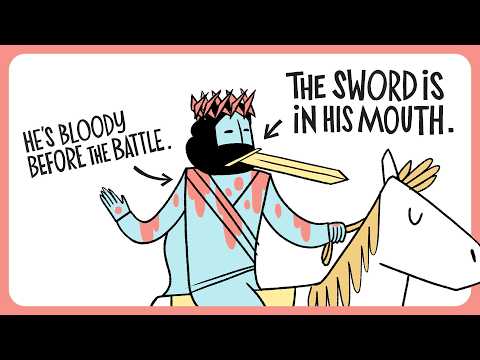
Understand the prophetic theme of the Day of the Lord—God intervening in human history to confront evil and injustice, previewed at the Cross and finalized at Christ's return.

Explore humanity's royal vocation as the Image of God (Imago Dei) charged to rule creation on God's behalf, marring that image through sin, and restored in Jesus the true image.

Trace the thread of the Promised Messiah from the seed of the woman in Genesis 3 and the Davidic King to the surprise of the suffering Servant King dying to defeat death.

Trace the motif of the Tree of Life from Eden's garden through human rebellion, transforming at the Tree of the Cross into the source of eternal life in the New Jerusalem.
Discover the deep biblical meaning of justice (mishpat) and righteousness (tzedakah) as restorative, active defense of the vulnerable rather than mere punitive retribution.
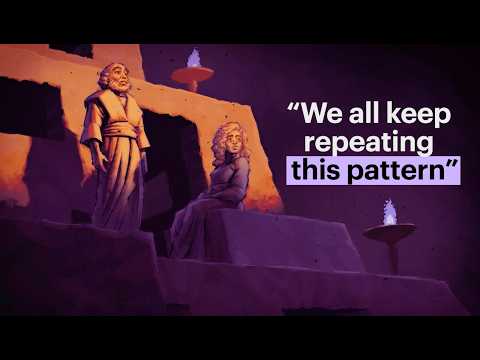
Explore the universal biblical story of humanity in exile—banished from Eden and Babylon's captivity—and how Jesus leads humanity back home to God's presence.

Trace the rhythm of the seventh-day Sabbath from Genesis creation through the Year of Jubilee to Jesus liberating captives and inaugurating eternal rest.
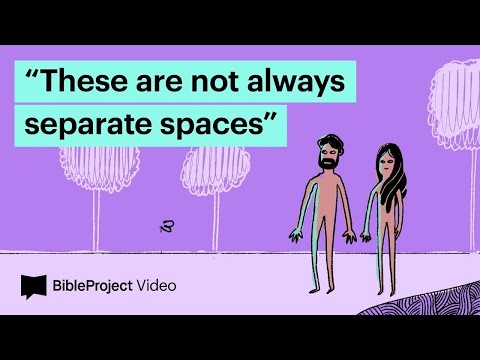
Understand the overarching biblical narrative of Heaven and Earth designed to overlap, fractured by human sin, joined definitively in Jesus, and eternally united in new creation.

Explore the rich biblical imagery of chaotic dark waters vs living water—flowing from Eden's river to the rock in the wilderness, Jesus offering living water, and the River of Life.

Trace the biblical theology of animal sacrifice as God's gracious provision to cover sin and cleanse pollution, fulfilled once for all by Jesus the ultimate Passover Lamb.
Discover what holiness (qadosh) truly means in Scripture: God's unique, life-giving purity that consumes corruption, transforms impurities into holiness through Jesus, and sanctifies believers.

Explore the rich Hebrew concept of Hesed (חֶסֶD)—unconditional covenant loyalty, generous mercy, and steadfast love that binds God to His people regardless of their failures.

Discover that biblical Shalom (שָׁלוֹם) is far more than the absence of conflict; it signifies wholeness, restoration, flourishing, and reconciling broken relationships to make things complete.
Examine the Greek word Agape (ἀγάπη), redefined in the New Testament not as an emotion or feeling, but as selfless, sacrificial choice to seek the well-being of others, modeled by Jesus.
Unpack the royal announcement of Euangelion (εὐαγγέλιον)—royal 'good news' heralding the coronation of King Jesus whose cross and resurrection inaugurated God's Kingdom on earth.
Explore the ancient Hebrew word Shema (שָׁמַע)—where hearing, paying attention, and responding in obedience are a single unified action of faithful listening to God.

Unpack the meaning of Grace through Hebrew Hen (חֵן) and Greek Charis (χάρις)—unearned, lavish favor and relational generosity extended by God to undeserving rebels.
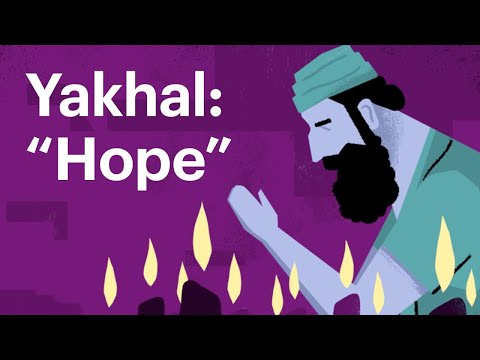
Learn how biblical hope (Hebrew Yakhal יָחַל and Greek Elpis) is not wishful thinking, but patient, confident expectation rooted in the proven character of God who raised Jesus from the dead.

Discover biblical Joy (Greek Chara χαρά and Hebrew Simkhah)—a profound attitude of gladness fueled by awareness of God's grace and victory, sustaining disciples even through sorrow.
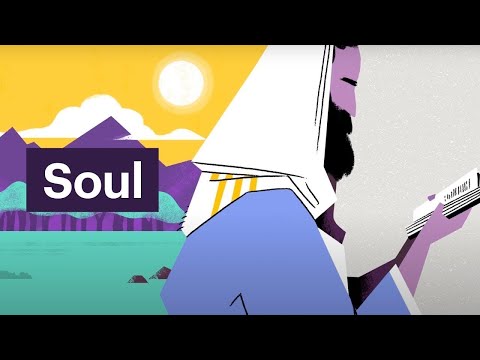
Unpack the Hebrew word Nephesh (נֶפֶשׁ), traditionally translated 'soul', revealing that biblical authors viewed humans not as having a disembodied soul, but as being a physical, breathing whole person.

Explore the biblical meaning of the Heart (Hebrew Lev לֵב)—understood not merely as the center of emotion, but as the core seat of human thought, intellectual deliberation, and moral choice.

Discover Hebrew Ahavah (אַהֲבָה)—a covenant love demonstrated not just through affectionate feelings, but through active, loyal commitment to care for others unconditionally.
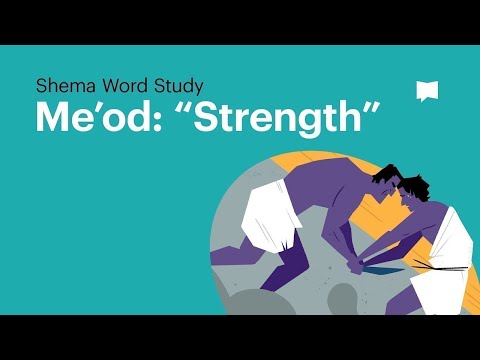
Examine the fascinating Hebrew adverb Me'od (מְאֹד), meaning 'much' or 'very', used in Deuteronomy 6:5 to call Israel to love God with all their 'muchness' or total capacity.

Explore the personal, sacred covenant name of Israel's God, YHWH (יהוה)—'He Will Be', revealed to Moses at the burning bush as the eternal, faithful creator who keeps covenant forever.

Trace the Greek word Martus (μάρτυς)—originally meaning a courtroom witness who testifies to truth, evolving in early Christian history to mean those who testify to Jesus even unto death.
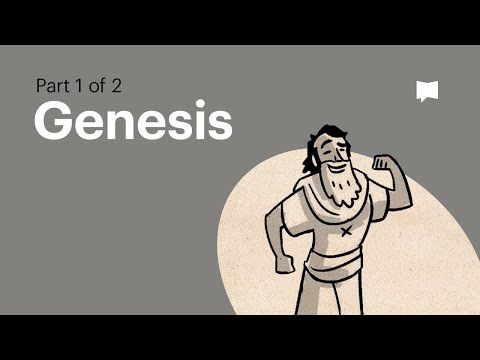
Overview of Genesis 1–11 exploring creation, the human rebellion in Eden, the spread of sin through Cain and the Flood, and God's scattering of humanity at Babylon.

Overview of Genesis 12–50 following God's covenant with Abraham, the trials of Isaac and Jacob, and Joseph's descent into Egypt showing God working good through human failure.
Overview of Exodus 1–18 detailing Israel's enslavement in Egypt, the call of Moses, the ten plagues against Egypt's gods, Passover deliverance, and the Red Sea crossing.
Overview of Exodus 19–40 exploring the covenant treaty at Mount Sinai, the Ten Commandments, the golden calf rebellion, God's character revelation, and tabernacle construction.

Overview of Leviticus highlighting rituals, priesthood, purity laws, and the Day of Atonement through which a holy God graciously dwells with corrupt humans.
Overview of Numbers following Israel's journey through the wilderness from Sinai toward the promised land, marked by recurrent rebellion contrasted with Yahweh's enduring covenant faithfulness.

Overview of Deuteronomy presenting Moses' farewell sermons calling the new generation to loyal love, Shema obedience, and covenant renewal on the edge of the Promised Land.
Overview of Joshua outlining Israel's entry into Canaan, the fall of Jericho, tribal land allocations, and Joshua's challenge to serve the Lord alone.
Overview of Judges detailing Israel's downward moral and spiritual spiral through cyclical sin, oppression, deliverance, and civil corruption when there was no king in Israel.

Overview of Ruth showing God's loyal love (hesed) quietly orchestrating redemption for a destitute Moabite widow and Naomi, culminating in the ancestry of King David.

Overview of 1 Samuel charting Israel's transition to monarchy through the prophet Samuel, King Saul's tragic fall into pride, and David's faithful rise through humility.
Overview of 2 Samuel highlighting David's reign as king over Israel, God's eternal covenant promise of an enduring dynasty in chapter 7, followed by tragic domestic and national consequences of David's sin.
Overview of 1 & 2 Kings tracing Solomon's temple and tragic compromise, the kingdom's division into Israel and Judah, prophetic ministries of Elijah and Elisha, and exile to Assyria and Babylon.

Overview of 1 & 2 Chronicles retelling Israel's entire story from Adam through the exile to offer post-exilic returnees hope in the coming Messianic King and restored Temple.
Overview of Ezra-Nehemiah detailing the return from Babylonian exile, rebuilding the temple under Zerubbabel and Jerusalem walls under Nehemiah, revealing the need for transformed hearts.
Overview of Esther demonstrating God's sovereign providence working quietly behind scenes of the Persian court to deliver Jewish exiles from genocide without God being explicitly named.
Overview of Job examining the mystery of suffering, divine wisdom, the inadequacy of the retribution principle, and trusting God's complex cosmic order.
Overview of Psalms exploring its 5-book intentional literary design, the twin entry-gates of Psalm 1 and Psalm 2, and the journey from lament to hallelujah praise.
Overview of Proverbs illuminating God's wisdom (hokhmah), the fear of the Lord as the beginning of knowledge, Lady Wisdom's invitation, and practical righteous living.
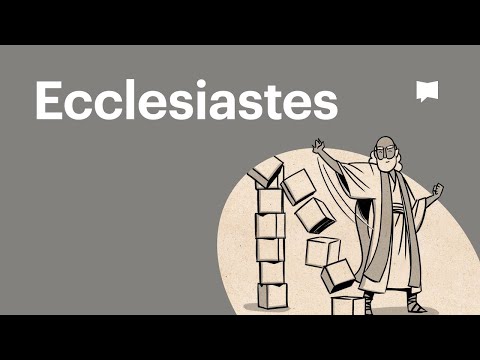
Overview of Ecclesiastes unpacking the Teacher's provocative wrestling with hevel (vapor/vanity), dismantling human control while encouraging enjoying God's simple gifts in the fear of the Lord.

Overview of Song of Songs celebrating marital romantic intimacy and passion, pointing typologically to covenant union and God's love for humanity.
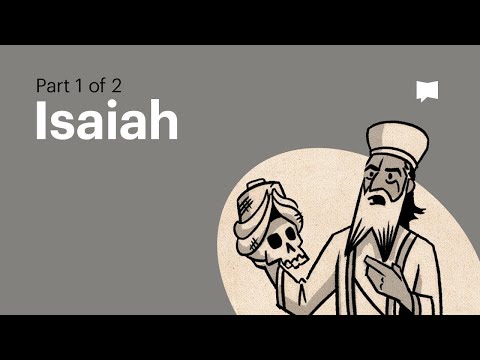
Overview of Isaiah 1–39 chronicling warning of judgment on rebellious Jerusalem and surrounding nations, the vision of the Holy One of Israel, and prophecy of the coming Immanuel King.
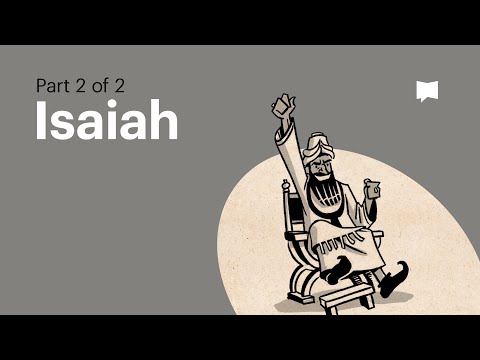
Overview of Isaiah 40–66 announcing comfort for exiles, the Suffering Servant who bears the sins of the world, and God's renewed covenant in a new creation.
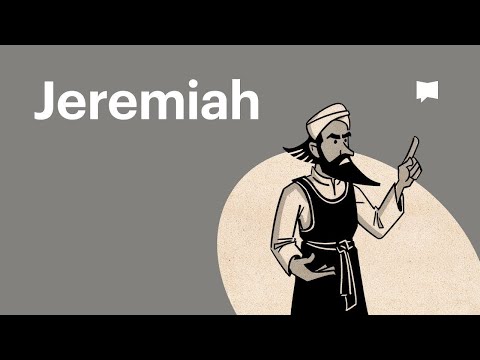
Overview of Jeremiah recounting the weeping prophet's courageous proclamation of Babylonian exile as divine justice, alongside the glorious promise of a New Covenant written upon human hearts.
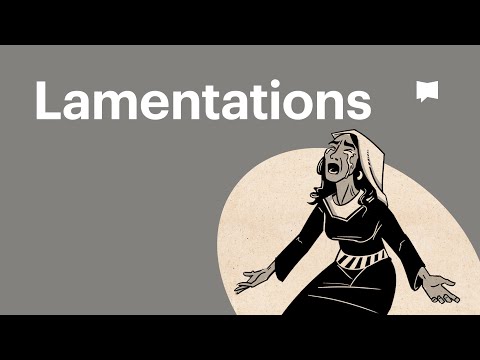
Overview of Lamentations exploring five Hebrew acrostic funeral poems grieving the catastrophic destruction of Jerusalem and the Temple, anchored in Yahweh's daily-renewed steadfast love.

Overview of Ezekiel 1–32 tracking Ezekiel's vision of Yahweh's mobile throne chariot in Babylon, the tragic departure of God's glory from Jerusalem's idolatrous temple, and impending judgment.

Overview of Ezekiel 33–48 unveiling future hope through the Good Shepherd, resurrection in the valley of dry bones, defeat of Gog of Magog, and a new cosmic Temple flowing with living water.
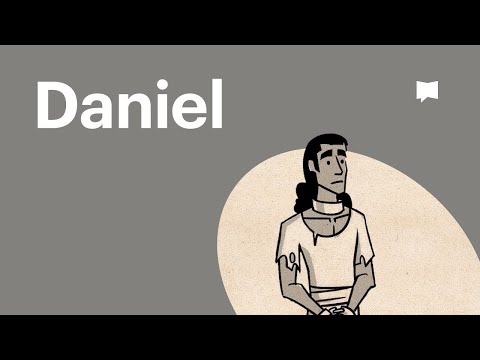
Overview of Daniel balancing heroic faithfulness in the royal courts of Babylon and Persia with apocalyptic visions of beastly human empires overcome by the eternal Kingdom of the Son of Man.

Overview of Hosea depicting God's heartbreaking covenant love for unfaithful Israel through Hosea's marriage to Gomer, assuring future healing and restoration through divine hesed.

Overview of Joel interpreting a catastrophic locust plague as the Day of the Lord, calling for wholehearted repentance, and heralding the outpouring of God's Spirit on all flesh.
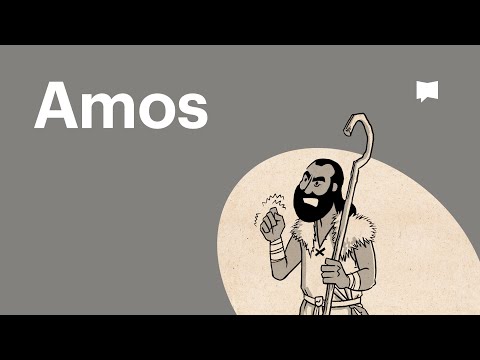
Overview of Amos confronting Israel's religious hypocrisy and economic exploitation of the vulnerable, demanding justice roll down like waters, and promising David's fallen tent will be restored.
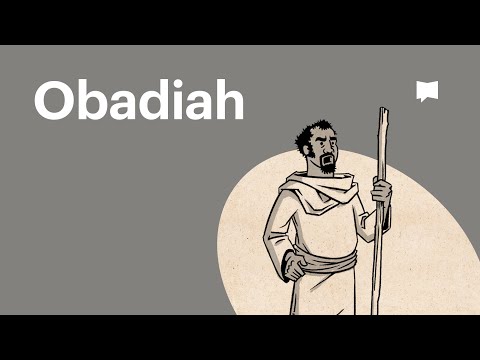
Overview of Obadiah proclaiming judgment against prideful Edom for betraying brother Israel during Jerusalem's fall, pointing to the Day of the Lord when God's Kingdom encompasses all nations.
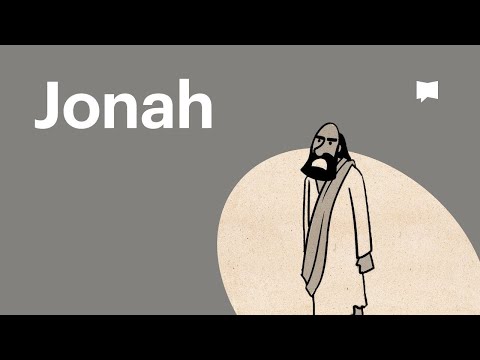
Overview of Jonah presenting a subversive satire of a rebellious prophet fleeing God's mercy, contrasting pagan repentance with religious prejudice against God's compassion for Nineveh.
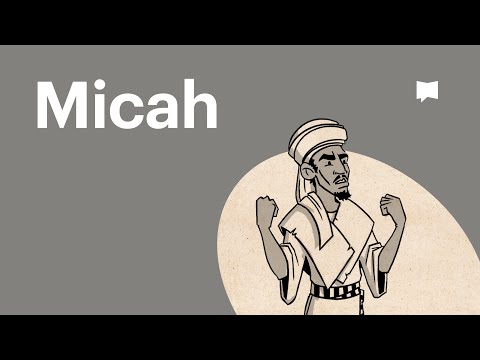
Overview of Micah exposing social injustice and religious bribery among Judah's leaders, anticipating exile yet heralding a Shepherd-Ruler born in Bethlehem who executes justice and loves mercy.
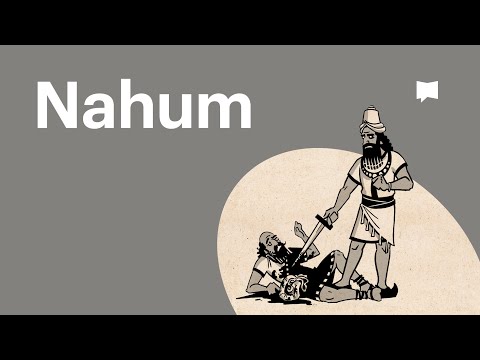
Overview of Nahum declaring divine judgment and the downfall of the brutal Assyrian empire and Nineveh, celebrating God's triumph over oppressive world empires.
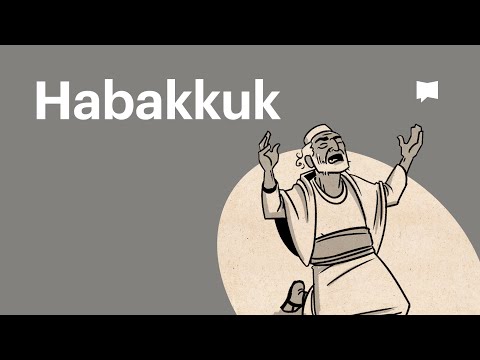
Overview of Habakkuk honestly questioning God about suffering and injustice, receiving the promise that the righteous live by faithfulness, and singing joyful trust in God's salvation.

Overview of Zephaniah revealing the cosmic Day of the Lord that burns away evil from Jerusalem and nations to purify a humble remnant gathered in joyous love.

Overview of Haggai challenging returned exiles to prioritize rebuilding God's temple over their panelled homes, pointing to the greater future glory of God's house and Zerubbabel as signet ring.
Overview of Zechariah featuring night visions of cosmic restoration, Joshua the high priest crowned as symbol of the Branch, and the humble King arriving on a donkey.
Overview of Malachi exposing post-exilic apathy and corrupt worship through disputations, concluding the Old Testament with the promise of Elijah preparing the way for the Lord.

Overview of Matthew 1–13 presenting Jesus as the Jewish Messiah who fulfills Old Testament scripture, the new Moses teaching the Sermon on the Mount, and parables of the Kingdom.

Overview of Matthew 14–28 following Jesus' journey to Jerusalem as the upside-down Servant King, the cross and resurrection, culminating in the Great Commission.
Overview of Mark's dramatic, fast-paced Gospel unveiling Jesus as the suffering Son of God who came not to be served but to serve and give his life as a ransom for many.
Overview of Luke 1–9 tracing John and Jesus' births, Mary's Magnificat, Jesus' Galilean ministry proclaiming good news to the poor and marginalized, and the transfiguration.

Overview of Luke 10–24 recounting Jesus' journey to Jerusalem, radical table fellowship, the prodigal son, crucifixion, resurrection, and the road to Emmaus opening all scripture.

Overview of John 1–12 introducing the divine Word made flesh, seven miraculous signs, and 'I Am' statements calling people to believe and have eternal life.

Overview of John 13–21 highlighting Jesus washing the disciples' feet, the Farewell Discourse and Holy Spirit promise, the cross as exaltation, and resurrection commissioning.

Overview of Acts 1–12 showing the Risen Jesus empowering his followers with the Holy Spirit at Pentecost, the bold multi-ethnic community in Jerusalem, and early expansion across Judea and Samaria.

Overview of Acts 13–28 following Paul's missionary journeys across the Greco-Roman world, the Jerusalem Council uniting Jewish and Gentile believers, trials, and unhindered proclamation in Rome.
Overview of Romans 1–4 exploring God's righteousness, humanity's universal bondage under sin, and justification by faith in Jesus Christ as fulfillment of the Abrahamic covenant.
Overview of Romans 5–16 covering life in the Spirit, God's covenant faithfulness to Israel, and unified church community embodying self-giving love.
Overview of 1 Corinthians addressing church division, sexual ethics, food, worship disorders, and the bodily resurrection of Jesus as foundation of Christian hope.

Overview of 2 Corinthians showing Paul defending his apostolic ministry by exalting weakness, suffering, and cruciform leadership through which Christ's power is perfected.
Overview of Galatians passionately defending the true Gospel of grace against legalism, showing that justification is by faith in Christ alone and producing fruit of the Spirit.
Overview of Ephesians revealing God's grand plan to unite all things in Christ, reconciling Jew and Gentile into one body, and empowering believers with the armor of God.
Overview of Philippians exploring deep Christian joy in the midst of prison suffering, centered upon the Christ poem of Philippians 2 portraying Jesus' self-emptying humility.
Overview of Colossians exalting the supreme preeminence of Christ over all creation and spiritual powers, freeing believers from man-made religious rules to live the new resurrection life.

Overview of 1 Thessalonians encouraging a young, persecuted church in holy living, brotherly love, and hope in the triumphant return (Parousia) of King Jesus.

Overview of 2 Thessalonians correcting misunderstandings about the Day of the Lord, exposing the rebellion of the man of lawlessness, and exhorting steadfast, productive labor.

Overview of 1 Timothy giving guidance to Timothy for restoring order, healthy teaching, and leadership character in the Ephesian church as household of God.
Overview of 2 Timothy capturing Paul's moving final letter from a Roman prison, urging Timothy to suffer hardship for the Gospel, guard the sound word, and preach the Word.
Overview of Titus charging Titus to appoint elders, refute corrupt teachers, and demonstrate the transformative power of God's grace in corrupt Cretan culture.

Overview of Philemon demonstrating how the cross of Jesus subverts slavery and Roman social hierarchies by calling Philemon to receive runaway slave Onesimus as a beloved brother.
Overview of Hebrews demonstrating the absolute supremacy of Jesus as God's definitive Word, superior to angels, Moses, and the Levitical priesthood, offering once-for-all atonement.

Overview of James weaving Proverbs wisdom with Jesus' Sermon on the Mount, insisting that genuine faith in God naturally expresses itself in wholehearted active deeds of justice and love.

Overview of 1 Peter offering living hope to persecuted Christian exiles throughout Asia Minor, pointing them to their royal priesthood and Christ's suffering as their pattern of victory.

Overview of 2 Peter warning against false teachers who deny the future return of Christ and distort apostolic truth, assuring that the Day of the Lord will purify creation.

Overview of 1, 2, and 3 John calling Jesus' community back to the core message that God is light and love, testing true fellowship by moral obedience, loving brothers, and confessing the incarnate Son.
Overview of Jude vigorously contending for the faith once delivered to the saints against antinomian infiltrators, drawing on ancient Jewish literature to warn of divine judgment.
Overview of Revelation 1–11 opening John's apocalyptic vision to seven churches, the heavenly throne room with the slain yet conquering Lamb, and cycles of seals and trumpets.

Overview of Revelation 12–22 depicting cosmic conflict between the dragon and the Lamb's followers, the fall of Babylon, final judgment, and the glorious New Jerusalem descending in new creation.
Sacred gold-covered acacia chest described in the Book of Exodus (Exodus 25:10–22), topped by the Mercy Seat with two cherubim facing one another.
The portable sanctuary constructed by the Israelites at Mount Sinai according to instructions given to Moses, housing the Outer Courtyard, the Holy Place, the Veil, and the Holy of Holies.
Seven-branched lampstand hammered from a single talent of pure gold with almond-blossom cups, capitals, and flowers, placed on the south side of the Holy Place to give continual light.
Gold-overlaid acacia table placed on the north side of the Holy Place, holding the twelve loaves of the Bread of the Presence (Showbread) in two rows of six before the Lord every Sabbath.
Four-horned acacia altar overlaid with pure gold, positioned in the Holy Place directly before the Veil of the Ark of the Covenant for the burning of fragrant incense morning and evening.
Large hollow acacia-wood altar overlaid with bronze (brass) standing in the Tabernacle courtyard near the eastern gate, equipped with four horns and a bronze grating for sacrificial offerings.
Polished bronze basin and stand placed between the Bronze Altar and the Tent of Meeting, holding water for Aaron and his sons to wash their hands and feet before ministering.
Assyrian carved gypsum wall relief from King Sennacherib's South-West Palace at Nineveh depicting the 701 BC siege of the fortified Judean city of Lachish during the reign of King Hezekiah (2 Kings 18:14; Isaiah 36:1–2).
Broken 9th-century BC basalt stele discovered at Tel Dan in 1993–1994 containing an Old Aramaic victory inscription of King Hazael of Aram-Damascus that explicitly references the 'House of David' (bytdwd) alongside Kings Jehoram of Israel and Ahaziah of Judah.
Ancient barrel-shaped baked clay cylinder inscribed in Babylonian cuneiform on behalf of King Cyrus the Great after his conquest of Babylon in 539 BC, recording his policy of restoring exiled peoples and sacred temple vessels to their homelands—paralleling the decree in Ezra 1:1–4 and 2 Chronicles 36:22–23.
Four-sided black limestone monument erected at Nimrud (biblical Calah) in 825 BC by King Shalmaneser III of Assyria. Its second register preserves the earliest surviving visual depiction of a biblical figure: King Jehu of Israel ('Jehu, son of Omri') bowing to present tribute in 841 BC.
Six-sided baked clay prism discovered at Nineveh inscribed with the annals of Assyrian King Sennacherib's 701 BC campaign against Judah, famously declaring that he shut up 'Hezekiah the Judahite within Jerusalem, his royal city, like a bird in a cage'—without claiming to capture the city (2 Kings 19:32–36).
Tiny rolled silver amulet excavated by Gabriel Barkay in 1979 in a late First Temple burial cave overlooking the Hinnom Valley in Jerusalem. Etched in Paleo-Hebrew script, it preserves the oldest known surviving text from the Hebrew Bible: the Aaronic Priestly Blessing of Numbers 6:24–26.
Second Temple period biblical manuscripts written on parchment and papyrus and sealed inside cylindrical terracotta storage jars in the eleven caves above Khirbet Qumran on the northwest shore of the Dead Sea—including the complete Great Isaiah Scroll (1QIsaᵃ).
Cuneiform clay tablet excavated at Nineveh from the Royal Library of Ashurbanipal and deciphered by George Smith in 1872. Recording the Mesopotamian flood narrative (releasing a dove, swallow, and raven as the ark comes to rest on a mountain), it provides a remarkable ancient Near Eastern comparative witness alongside Genesis 6–9.
Mesopotamian clay administrative tablet from the Third Dynasty of Ur (c. 2100–2000 BC) recording offerings of barley-fed sheep and goats, illustrating the scribal culture and urban economy of southern Mesopotamia around the patriarchal era of Ur of the Chaldeans (Genesis 11:28–31).
Monumental Hebrew inscription carved into the limestone cliffside tombs along the eastern slope of the Kidron Valley opposite the Temple Mount in Jerusalem, echoing Isaiah's oracle concerning royal stewards hewing rock-cut sepulchres on high (Isaiah 22:15–16).
Architectural reconstruction of the First Temple built by King Solomon on Mount Moriah in Jerusalem (1 Kings 6–7), featuring the Ulam (Entrance Porch) flanked by the twin bronze pillars Jachin and Boaz, the Hekhal (Holy Place), the Debir (Holy of Holies), three-story side chambers, and the courtyard Molten Sea and Bronze Altar.
Topographical scale model of royal Jerusalem during the First Temple period (Iron Age II) from the Bible Lands Museum Jerusalem, illustrating the City of David spur, the Ophel, the Kidron and Tyropoeon valleys, and Solomon's Temple complex crowning Mount Moriah.
Reconstruction of the expanded Second Temple Mount complex in Jerusalem during the life and ministry of Jesus and the early Church—featuring the towering white-stone and gold Sanctuary facade, the Court of the Women, Court of the Gentiles, Solomon's Portico, the Royal Stoa, and the Antonia Fortress.
Scale 3D reconstruction of Noah's Ark built to the exact 6:1 length-to-beam ratio specified in Genesis 6:14–16 (300 × 50 × 30 cubits), featuring three internal decks, a side door, and an elevated roof skylight (tzohar) finished one cubit from the top.
Monumental double gate on the northern wall of inner Babylon constructed by King Nebuchadnezzar II around 575 BC during the era of Daniel and the Judean exile, clad in brilliant cobalt-blue glazed bricks embossed with alternating rows of golden lions, bulls (aurochs), and dragons (mušḫuššu).
Molded polychrome glazed brick relief panel of a striding roaring lion from the facade of King Nebuchadnezzar II's Throne Room and Processional Way in Babylon—symbolizing royal Babylonian power as echoed in Jeremiah 50:17 and Daniel 7:4.
Architectural scale model of Neo-Babylonian Babylon around 600 BC from the Bible Lands Museum Jerusalem, showing the Euphrates River dividing the walled city, the Processional Way, the Ishtar Gate, Nebuchadnezzar's Southern Palace, and the Etemenanki ziggurat precinct.
Three-tiered stepped mudbrick and baked-brick ziggurat erected by King Ur-Nammu at Ur in southern Mesopotamia, featuring three converging monumental staircases ascending toward a summit shrine—illustrating the monumental Mesopotamian temple-tower architecture behind Genesis 11.
Masterpiece of Neo-Assyrian sculpted gypsum wall relief from the North Palace of King Ashurbanipal (biblical Asenappar, Ezra 4:10) at Nineveh, vividly illustrating the royal lion imagery invoked by the prophet Nahum against Nineveh ('Where is the dwelling of the lions?', Nahum 2:11–13).
Colossal carved limestone winged human-headed bull (Lamassu) guarding the Gate of All Nations built by King Xerxes I (biblical Ahasuerus of the Book of Esther and Ezra 4:6) at Persepolis, exemplifying the imperial Achaemenid court architecture of Esther, Ezra, and Nehemiah.
Small bronze Hasmonean prutah/lepton minted in Jerusalem under King Alexander Jannaeus that remained the smallest denomination bronze coin in daily circulation during the first century AD—universalized in the Gospels as the 'widow's mite' cast into the Temple treasury (Mark 12:42; Luke 21:2).
High-purity silver half-shekel (didrachm) used for the annual Sanctuary tax prescribed in Exodus 30:13–15 for every adult Israelite and referenced in Matthew 17:24–27 when Jesus and Peter paid the two-person Temple tax at Capernaum.
Large ovoid terracotta storage amphora (pithos/kad) with twin vertical loop handles excavated in Canaan and housed at the Israel Museum, used throughout the patriarchal, Conquest, and Judges periods to store grain, olive oil, wine, and water.
3D archaeological site model from the Harvard Museum of the Ancient Near East documenting the fortified Judean city of Lachish (Tel Lachish)—the second most important city in the Kingdom of Judah after Jerusalem, besieged by Sennacherib in 701 BC and by Nebuchadnezzar II in 586 BC (Jeremiah 34:7).
3D photogrammetry reconstruction of the Khirbet Qumran settlement plateau overlooking the Dead Sea in the Judean Wilderness, featuring the watchtower, scriptorium, communal dining hall, aqueduct-fed ritual immersion pools (miqva'ot), and adjacent marl scroll caves.
3D terrain and architectural model of the isolated rhomboid rock plateau of Masada (Hebrew Metzada, 'the stronghold') rising 400 meters above the Dead Sea south of En-Gedi—associated with David's wilderness stronghold (1 Samuel 22:4–5; 24:22) and later fortified with casemate walls, storehouses, and a hanging northern palace by Herod the Great.
Photogrammetry scan of a rock-hewn Jerusalem burial cave in the Kidron Valley carved directly into the natural limestone bedrock with a low rectangular entrance and interior burial benches—illustrating the architecture of Judean rock-cut family tombs from Isaiah 22:16 to the Gospel accounts of the burial and resurrection of Jesus (Matthew 27:60; John 19:41).
Black basalt victory stele erected by King Mesha of Moab recording his revolt against the House of Omri of Israel and mentioning YHWH and the House of David.
Monumental black granite commemorative stela of Pharaoh Merneptah recording military campaigns in Canaan and containing the earliest extra-biblical mention of Israel.
Carved limestone block from Caesarea Maritima bearing a Latin dedicatory inscription naming Pontius Pilatus, Prefect of Judaea.
Monumental Paleo-Hebrew tunnel inscription celebrating the dramatic convergence of two teams of miners cutting the 533-meter water conduit through bedrock.
Elaborately carved limestone ossuary bearing circular rosettes and the Aramaic inscription 'Joseph son of Caiaphas', the High Priest who presided over Jesus' trial.
Fragmentary Greek letter of Emperor Claudius at Delphi naming Proconsul L. Junius Gallio, providing the absolute chronological anchor for Paul's Corinthian ministry.
Limestone warning inscription in monumental Greek letters that hung on the Soreg dividing balustrade warning foreigners not to enter the inner sanctuary on pain of death.
Carved limestone block discovered at the center of the first-century Magdala synagogue depicting the Temple Menorah, oil jars, rosette, and the chariot of God.
Granodiorite stele inscribed with three versions of a decree issued at Memphis in 196 BC on behalf of King Ptolemy V Epiphanes, key to deciphering ancient Egyptian.
Monumental black diorite stele containing 282 legal judgments of King Hammurabi of Babylon, displaying profound thematic and legal parallels with biblical Mosaic law.
Cuneiform foundation cylinder of King Nabonidus recording temple restorations and offering a royal prayer for his eldest son Belshazzar, confirming his coregency in Daniel 5.
Babylonian royal chronicle tablet documenting King Nebuchadnezzar's capture of Jerusalem, the seizure of King Jehoiachin, and appointment of King Zedekiah in 597 BC.
Silver denarius of Emperor Tiberius Caesar bearing his laureate portrait on obverse and seated Livia as Pax on reverse, the coin presented to Jesus in Matthew 22.
Imperial bronze sestertius struck by Emperor Vespasian commemorating the subjugation of Judaea and the 70 AD fall of Jerusalem, depicting Judaea mourning beneath a date palm.
Ancient 27-foot cedar and oak fishing vessel uncovered from the mud of the Sea of Galilee, providing unprecedented insight into the Galilean fishing boats used by Jesus and the disciples.
Architectural reconstruction of the Capernaum synagogue complex, displaying the monumental white limestone prayer hall standing directly atop the black basalt foundation of Jesus' first-century synagogue.
Latin limestone pavement inscription near the Corinth theater reading 'ERASTVS PRO AEDILITATE S P STRAVIT' (Erastus in return for his aedileship laid this pavement at his own expense).
Try clearing your search query or selecting a different modality or book.