Knowledge Graph Scripture & Encyclopedia

Search & Explore

Multimedia Filter:
Suggested topics:
Found 36 topics & entities and 24 verses in 2519ms • Auto-routed to All Matches (Hybrid)
Topic Overview

Pilate Stone (Caesarea Inscription)

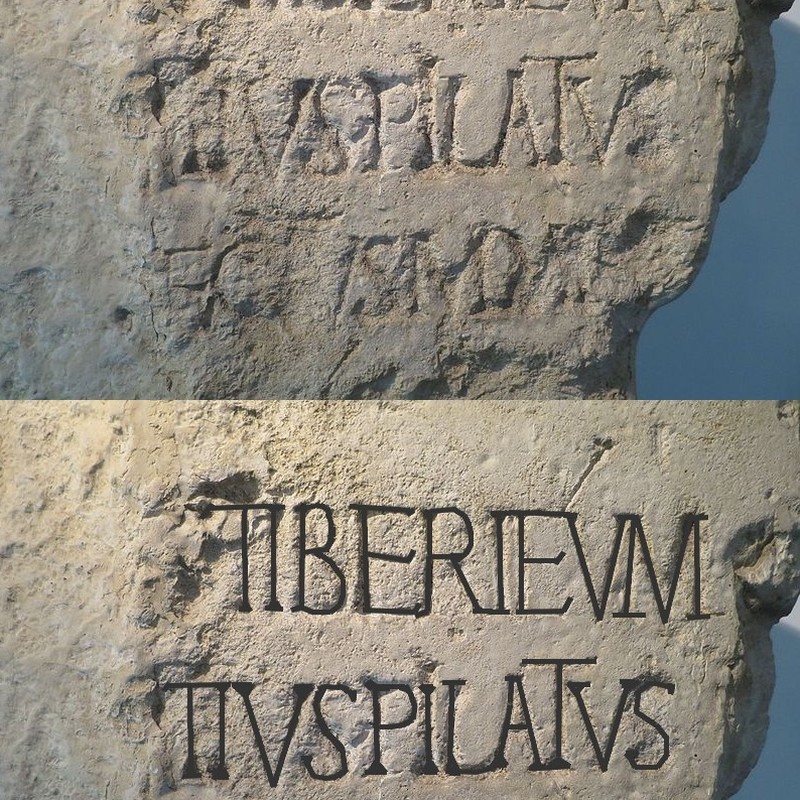
Pilate Stone ( Caesarea Inscription ) (Interactive 3D Epigraphic Slab • Matthew 27:2 ): Carved limestone block from Caesarea Maritima bearing a Latin dedicatory inscription naming Pontius Pilatus, Prefect of Judaea. It is closely linked with Pontius Pilate Inscription Stone (IMAGE • archaeology): Limestone dedicatory block from the Caesarea theatre naming Pontius Pilatus, Prefect of Judaea.

Biblical Geography & Sacred Architecture

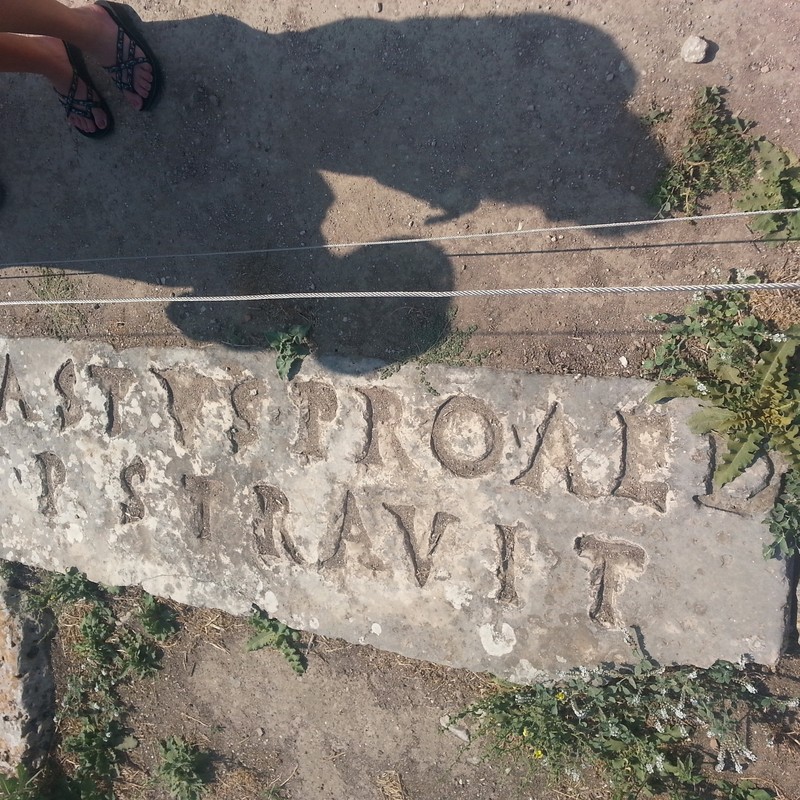
Key geographical locations connected to this topic include Caesarea (Ancient biblical location referenced in Acts 8:40 , Acts 9:30 , Acts 10:1 , Acts 10:24 , Acts 11:11 , Acts 12:19 .) 3D Sanctuary Reconstructions: Pilate Stone ( Caesarea Inscription ) — Carved limestone block from Caesarea Maritima bearing a Latin dedicatory inscription naming Pontius Pilatus, Prefect of Judaea. Erastus Inscription at Corinth — Latin limestone pavement inscription near the Corinth theater reading 'ERASTVS PRO AEDILITATE S P STRAVIT' (Erastus in return for his aedileship laid this pavement at his own expense).

Scripture Witness (KJV) & Canonical Context

Primary KJV scripture witnesses include Acts 25:13 : "And after certain days king Agrippa and Bernice came unto Caesarea to salute Festus."; Acts 9:30 : "Which when the brethren knew, they brought him down to Caesarea , and sent him forth to Tarsus ."; Acts 25:1 : "Now when Festus was come into the province, after three days he ascended from Caesarea to Jerusalem .".
Connected Topics & Entities Book/Chapter Verse Person Place Lexicon Theology Commentary History Perspective

Topics, People & Places (36)

Pilate Stone (Caesarea Inscription) 3D & AR
Interactive 3D Epigraphic Slab • Matthew 27:2

Carved limestone block from Caesarea Maritima bearing a Latin dedicatory inscription naming Pontius Pilatus, Prefect of Judaea.

1st-century AD monumental Latin inscription confirming Pontius Pilate as Prefect of Judea ('Praefectus Iudaeae')

A carved limestone block reused as a theater step, preserving four lines of Latin dedicating a public building (Tiberieum) to the honor of Emperor Tiberius by 'Pontius Pilatus, Praefectus Iudaeae'.

Pontius Pilate Inscription Stone
IMAGE • archaeology

Limestone dedicatory block from the Caesarea theatre naming Pontius Pilatus, Prefect of Judaea.

Curators & Archaeologists of Israel Museum • Israel Museum / Wikimedia Commons Public Domain Mark 1.0
Pilate Stone — Pontius Pilatus Inscription from Caesarea
IMAGE • archaeology

Limestone block discovered in Caesarea Maritima bearing a Latin dedicatory inscription naming 'Pontius Pilatus, Prefect of Judea ', confirming his historical governorship.

Roman Imperial Masons • Israel Museum / Civico Museo Archeologico di Milano / Wikimedia Commons CC-BY-SA 4.0
Silwan Tomb Inscription — 'Over the Royal Household'
IMAGE • archaeology

Rock-cut tomb inscription in the Kidron Valley attributed to Shebna, the royal steward rebuked by Isaiah ( Isaiah 22:15 ).

Ancient Near Eastern Scribes and Stonemasons • The British Museum / Israel Antiquities Authority CC-BY-SA 4.0
Rosetta Stone (Decree of Memphis)
99% direct_archaeological
196 BC Ptolemaic granodiorite trilingual decree that unlocked ancient Egyptian hieroglyphic script for modern historiography

A 1.12-meter granodiorite slab bearing a priestly decree in three scripts (Hieroglyphic, Demotic, and Ancient Greek), deciphered by Jean-François Champollion in 1822 to open the entire corpus of Egyptian biblical archaeology.

Pontius Pilate Bronze Prutah with Lituus
IMAGE • archaeology

Bronze coin struck in Jerusalem under Pontius Pilate Year 17 of Tiberius featuring the Roman augur's wand.

Curators & Archaeologists of Israel Museum • Israel Museum / Wikimedia Commons Public Domain Mark 1.0
Erastus Inscription — Corinth City Treasurer (Romans 16:23)
IMAGE • archaeology

Paved limestone plaza inscription in ancient Corinth reading 'Erastus in return for his aedileship laid this pavement at his own expense'.

Roman Provincial Stonecutters at Corinth (1st Century CE) • Archaeological Site of Ancient Corinth, Greece CC-BY-SA 4.0
Mesha Stele (Moabite Stone)
99% direct_archaeological
9th-century BC royal Moabite monument mentioning Omri King of Israel and the Tetragrammaton (YHWH)

A 1.24-meter black basalt stele inscribed in the Moabite dialect of Northwest Semitic by King Mesha of Moab , recounting his rebellion against Israelite domination and restoring territories captured during the reign of Omri.

Hezekiah Tunnel Inscription (Siloam Inscription)
IMAGE • archaeology

Paleo-Hebrew monumental inscription carved inside the bedrock of Hezekiah 's water tunnel commemorating the breakthrough of the two tunneling crews ( 2 Kings 20:20 ).

Royal Hebrew Stonecutters of King Hezekiah • Istanbul Archaeology Museums / Wikimedia Commons Public Domain Mark 1.0
Trumpeting Place Inscription
99% direct_archaeological
Herodian Hebrew cornerstone from the southwest pinnacle of the Temple Mount for Sabbath trumpet announcements

A large ashlar stone thrown down from the southwest parapet of the Temple Mount during the Roman destruction of 70 AD, bearing a Hebrew inscription demarcating the priest's station for blowing the silver trumpets.

Marble tablet containing an imperial decree prescribing capital punishment for moving sepulcher stones or disturbing graves

A 60 cm Greek marble inscription recording an imperial rescript (Diatagma Kaisaros) mandating the death penalty for anyone who forcibly removes stones from tombs or extracts corpses with malicious intent.

1st-century AD limestone plaza pavement carved by Erastus, civic commissioner of public works (aedile)

A large paved limestone plaza north of the Corinthian theater containing a deep Latin inscription inlaid with metal letters, commemorating an aedile named Erastus who paved the plaza at his own expense.

Caesarea Maritima Aqueduct — Roman Coastal Channel
IMAGE • archaeology

Herodian and Hadrianic high-level aqueduct carrying fresh spring water from Mount Carmel to the port city of Caesarea .

Ancient Near Eastern Scribes and Stonemasons • The British Museum / Israel Antiquities Authority CC-BY-SA 4.0
Mesha Stele Inscription Close-up
IMAGE • archaeology

Mesha Stele ( Moabite Stone ) basalt inscription mentioning King Mesha of Moab , Omri King of Israel , and YHWH.

Curators & Archaeologists of Louvre Museum • Louvre Museum / Wikimedia Commons Public Domain Mark 1.0
Herodian Greek limestone slab warning Gentiles against entering the inner sacred courts on pain of death

A complete limestone warning slab that was affixed to the balustrade (Soreg) separating the Court of the Gentiles from the sanctified inner courts of Herod's Temple Mount.

Kurkh Monolith of Shalmaneser III
98% direct_archaeological
Neo-Assyrian cuneiform stele documenting the 853 BC Battle of Qarqar and Ahab the Israelite

A 2.2-meter rounded limestone stele containing an annalistic account of the western campaigns of Shalmaneser III, culminating in the titanic Battle of Qarqar against a twelve-king anti-Assyrian coalition.

Lycaonian Cult Inscriptions at Lystra
96% textual_corroboration
Epigraphic evidence of the indigenous Lycaonian language and paired worship of Zeus and Hermes

Stone inscriptions discovered near the mound of Lystra dedicated to 'Zeus and Hermes' together by local priests, proving the indigenous paired cult documented in Acts 14 .

Sergius Paullus Cyprus Inscriptions
96% direct_archaeological
1st-century AD Greek inscriptions from Soli and Paphos confirming Quintus Sergius Paullus as Proconsul of Cyprus

Epigraphic stone inscriptions naming Lucius or Quintus Sergius Paullus as proconsul (anthypatos) of Cyprus during the reign of Claudius, verifying Luke 's administrative accuracy in Acts 13 .

Caesarea
94% Mapped Place
Biblical Place • 32.500°N, 34.892°E

Ancient biblical location referenced in Acts 8:40 , Acts 9:30 , Acts 10:1 , Acts 10:24 , Acts 11:11 , Acts 12:19 .

Behistun Trilingual Rock Inscription
92% direct_archaeological
Late 6th-century BC monumental cliff relief of Darius I that served as the decipherment key for cuneiform scripts

A massive rock relief carved 100 meters up a limestone cliff detailing King Darius the Great's victory over the rebel Gaumata and nine rival claimants, written in Old Persian, Elamite, and Babylonian cuneiform.

Behistun Inscription — Darius the Great Trilingual Relief
IMAGE • archaeology

Colossal rock relief in Iran carved in Old Persian, Elamite, and Babylonian, key to deciphering cuneiform and Persian royal decrees in Ezra .

Achaemenid Persian Stonemasons (Darius the Great) • UNESCO World Heritage Site, Bisotun CC-BY-SA 4.0
Stone rescript of Emperor Claudius at Delphi fixing the proconsulship of Gallio and anchoring Paul's chronology

Nine limestone fragments of an imperial letter from Emperor Claudius to the city of Delphi, citing recommendations made by 'Lucius Junius Gallio, my friend and proconsul of Achaia '.

Erastus Inscription at Corinth 3D & AR
Interactive 3D Pavement Inscription • Romans 16:23

Latin limestone pavement inscription near the Corinth theater reading 'ERASTVS PRO AEDILITATE S P STRAVIT' (Erastus in return for his aedileship laid this pavement at his own expense).

Tel Dan Stele — 'House of David' (Bytdwd) Inscription
IMAGE • archaeology

Ninth-century BCE basalt stele fragment discovered in northern Israel preserving the earliest extra-biblical reference to King David 's dynasty (' House of David ').

Aram-Damascus Stonecutters • Israel Museum, Jerusalem / Wikimedia Commons CC-BY-SA 4.0
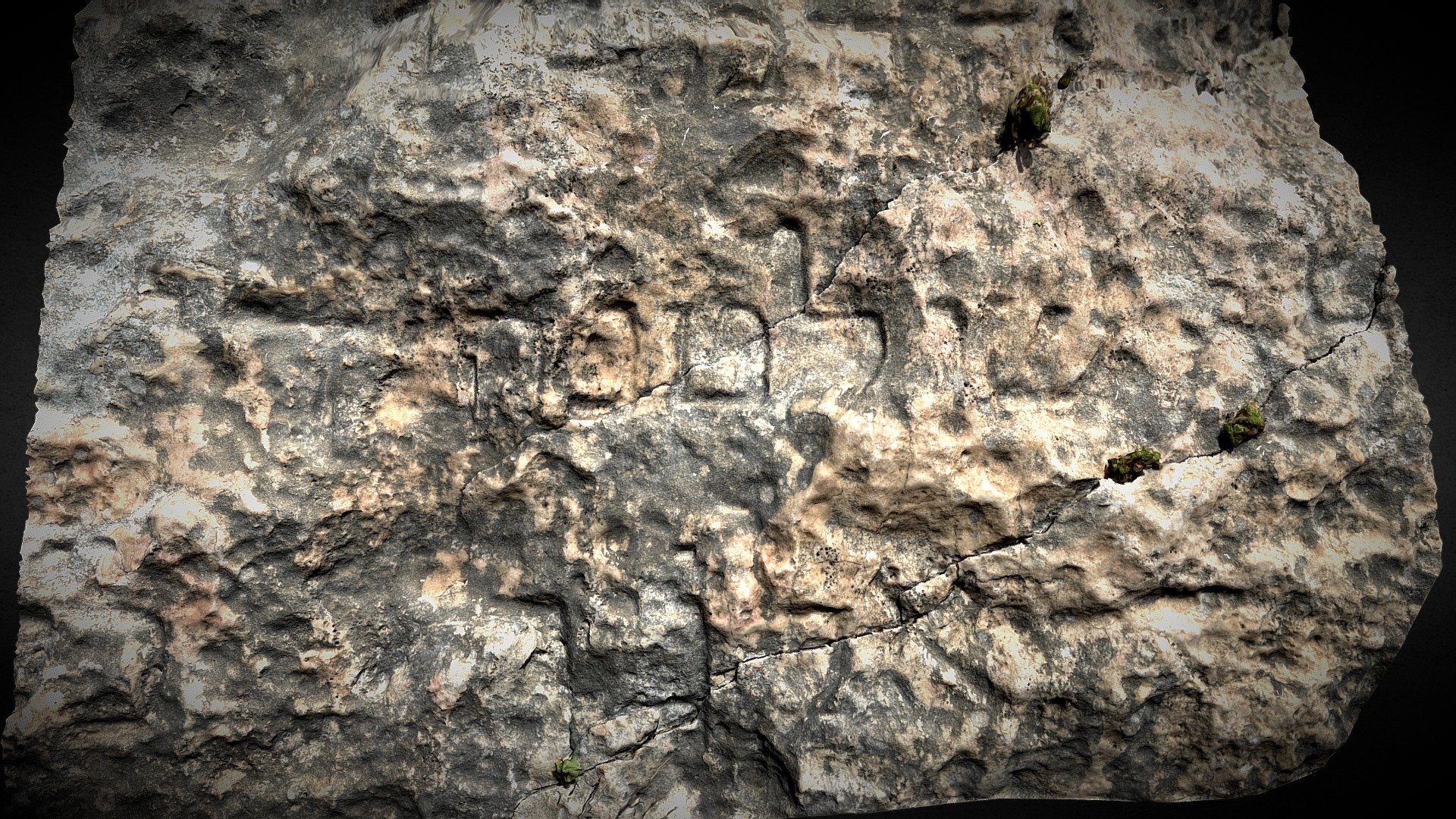
Ancient Hebrew Tomb Inscription (Kidron Valley) 3D & AR
Interactive 3D Epigraphic Scan • Isaiah 22:15–16

Monumental Hebrew inscription carved into the limestone cliffside tombs along the eastern slope of the Kidron Valley opposite the Temple Mount in Jerusalem , echoing Isaiah 's oracle concerning royal stewards hewing rock-cut sepulchres on high ( Isaiah 22:15–16 ).

Herod Agrippa I Coinage and Epigraphy
89% direct_archaeological
1st-century AD royal coinage and epigraphy documenting the reign and sudden demise of King Agrippa I

Bronze coins of Herod Agrippa I minted in Jerusalem featuring a royal canopy (parasol) on the obverse and three ears of barley on the reverse, with royal inscriptions acknowledging him as 'King Agrippa'.

Trumpeting Place Inscription — Temple Mount Ashlar
IMAGE • archaeology

Hebrew stone found at the foot of the Temple Mount inscribed 'To the place of trumpeting to declare the Sabbath'.

Herodian Stonemasons (1st Century CE) • The Israel Museum, Jerusalem CC-BY-SA 4.0
Gezer Calendar — Early 10th-Century Agricultural Inscription
IMAGE • archaeology

Limestone tablet recording the twelve agricultural months of the biblical year in archaic northwest Semitic script.

10th-Century BCE Canaanite/Israelite Scribe at Gezer • Istanbul Archaeology Museums, Turkey CC-BY-SA 4.0
Caesarea Maritima Roman Theater
IMAGE • archaeology

Herodian semicircular limestone theatre along the Mediterranean coast where Herod Agrippa I died ( Acts 12:21-23 ).

Curators & Archaeologists of Israel Nature and Parks Authority • Israel Nature and Parks Authority / Wikimedia Commons Public Domain Mark 1.0
James Ossuary Inscription
IMAGE • archaeology

Limestone ossuary bearing the Aramaic inscription 'Ya'akov bar Yosef akhui diYeshua' ( James son of Joseph brother of Jesus ).

Curators & Archaeologists of Israel Antiquities Authority • Israel Antiquities Authority / Wikimedia Commons Public Domain Mark 1.0
Black Obelisk of Shalmaneser III
80% direct_archaeological
Neo-Assyrian basalt monument featuring the earliest surviving pictorial representation of an Israelite monarch (Jehu)

A 1.98-meter black limestone obelisk depicting relief panels of five conquered regions presenting tribute, including King Jehu of Israel prostrating himself before Shalmaneser III.

Siloam Tunnel Inscription
80% direct_archaeological
Late 8th-century BC monumental Paleo-Hebrew inscription recording the excavation of Hezekiah's water tunnel

A six-line Paleo-Hebrew inscription carved into the rock wall near the southern exit of the 533-meter subterranean conduit diverting water from the Gihon Spring to the Pool of Siloam .

Temple Warning Inscription (Soreg Balustrade)
IMAGE • archaeology

Limestone slab warning non-Jews on pain of death from entering the inner Temple courts in Jerusalem .

Curators & Archaeologists of Istanbul Archaeology Museum • Istanbul Archaeology Museum / Wikimedia Commons Public Domain Mark 1.0
Nazareth Inscription on Grave Robbery
IMAGE • archaeology

Marble tablet with imperial rescript establishing capital punishment for violating tombs or disturbing sepulchres.

Curators & Archaeologists of Bibliothèque nationale de France • Bibliothèque nationale de France / Wikimedia Commons Public Domain Mark 1.0
Ἰησοῦς
Iesous (Iēsoûs) [ee-ay-sooce']
G2424 Greek proper noun masculine 917x
JESUS, Joshua, Jesus

Primary meaning: JESUS, Joshua, Jesus, Jesus. Strong's: Jesus (i.e. Jehoshua), the name of our Lord and two (three) other Israelites. Lexical nuances: JESUS : Mt 1:21 , al.; ὁ Ἰ , Mt 3:13 , al.; Ἰ. Χριστός , Mt 1:1 , Mk 1:1 , al.; Χρ. Ἰ. , Ro 2:26 , al.; κύριος Ἰ. , Ac 28:31 , al.; Ἰησοῦ , voc., Mk 1:24 , al. Joshua : Ac 7:45 , He 4:8 . Jesus , son of Eliezer: Lk 3:29 . Jesus , surnamed Justus: Col 4:11 . v.s. βαραββᾶς .

Derivation: of Hebrew origin (H03091);

Scripture Passages (24)

And after certain days king Agrippa and Bernice came unto Caesarea to salute Festus.

Which when the brethren knew, they brought him down to Caesarea , and sent him forth to Tarsus .

Now when Festus was come into the province, after three days he ascended from Caesarea to Jerusalem .

There was a certain man in Caesarea called Cornelius, a centurion of the band called the Italian band,

Who, when they came to Caesarea , and delivered the epistle to the governor, presented Paul also before him.

But Festus answered, that Paul should be kept at Caesarea , and that he himself would depart shortly thither.

For as I passed by, and beheld your devotions, I found an altar with this inscription, TO THE UNKNOWN GOD. Whom therefore ye ignorantly worship, him declare I unto you.

And when he had landed at Caesarea , and gone up, and saluted the church, he went down to Antioch .

But Philip was found at Azotus : and passing through he preached in all the cities, till he came to Caesarea .

And, behold, immediately there were three men already come unto the house where I was, sent from Caesarea unto me.

And the morrow after they entered into Caesarea . And Cornelius waited for them, and had called together his kinsmen and near friends.

He went to Pilate, and begged the body of Jesus . Then Pilate commanded the body to be delivered.

When Jesus came into the coasts of Caesarea Philippi , he asked his disciples, saying, Whom do men say that I the Son of man am?

There went with us also certain of the disciples of Caesarea , and brought with them one Mnason of Cyprus , an old disciple, with whom we should lodge.

Then Pilate therefore took Jesus , and scourged him.

And when he had tarried among them more than ten days, he went down unto Caesarea ; and the next day sitting on the judgment seat commanded Paul to be brought.

Pilate answered, What I have written I have written.

But Jesus yet answered nothing; so that Pilate marvelled.

And Jesus went out, and his disciples, into the towns of Caesarea Philippi : and by the way he asked his disciples, saying unto them, Whom do men say that I am?

Pilate therefore, willing to release Jesus , spake again to them.

When Pilate therefore heard that saying, he was the more afraid;

And Pilate gave sentence that it should be as they required.

This man went unto Pilate, and begged the body of Jesus .

And he called unto him two centurions, saying, Make ready two hundred soldiers to go to Caesarea , and horsemen threescore and ten, and spearmen two hundred, at the third hour of the night;

Link copied to clipboard
Article Wiki

Title

Open Page → Explore