Babylonian Captivity & Post-Exilic Return
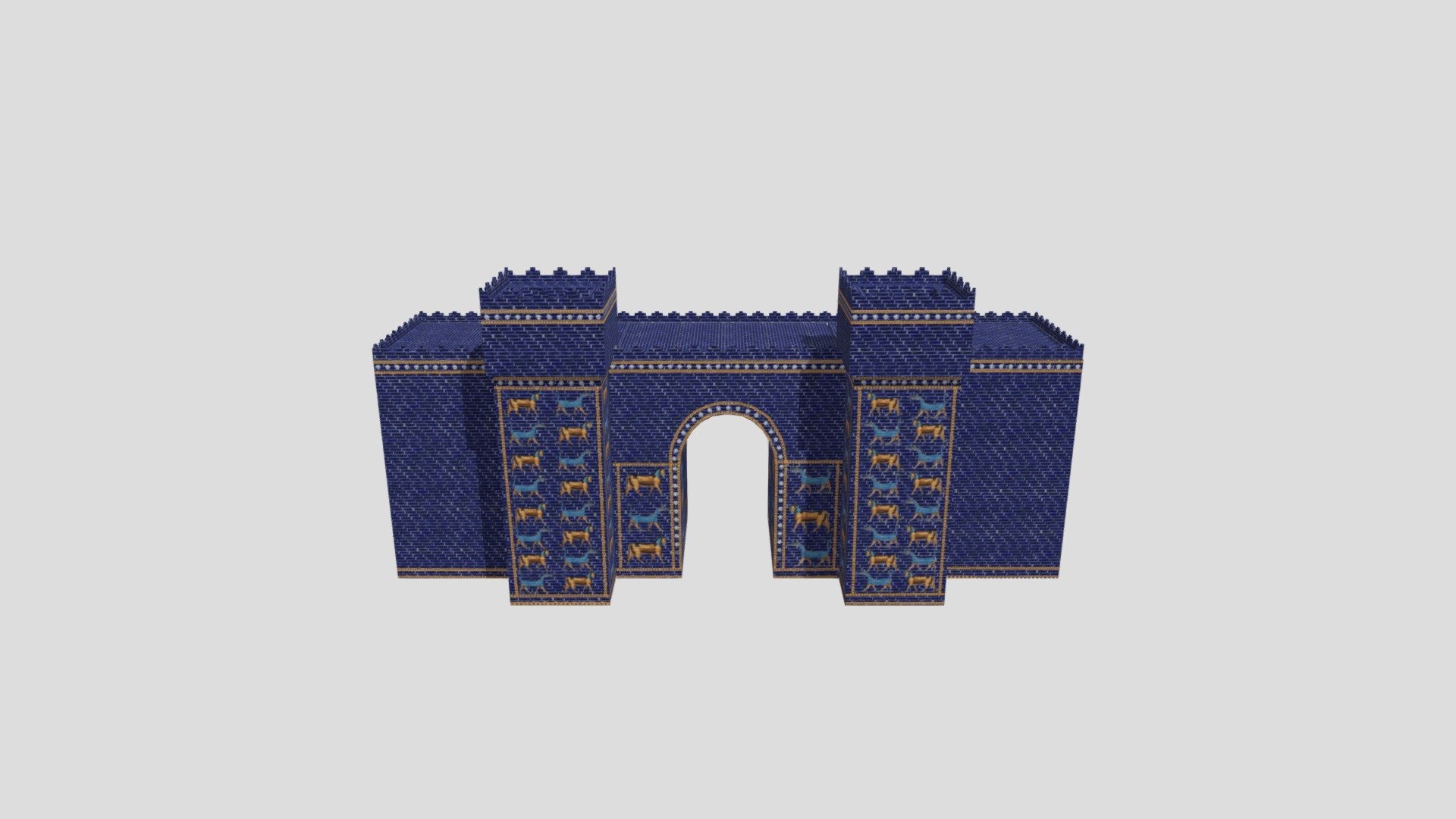
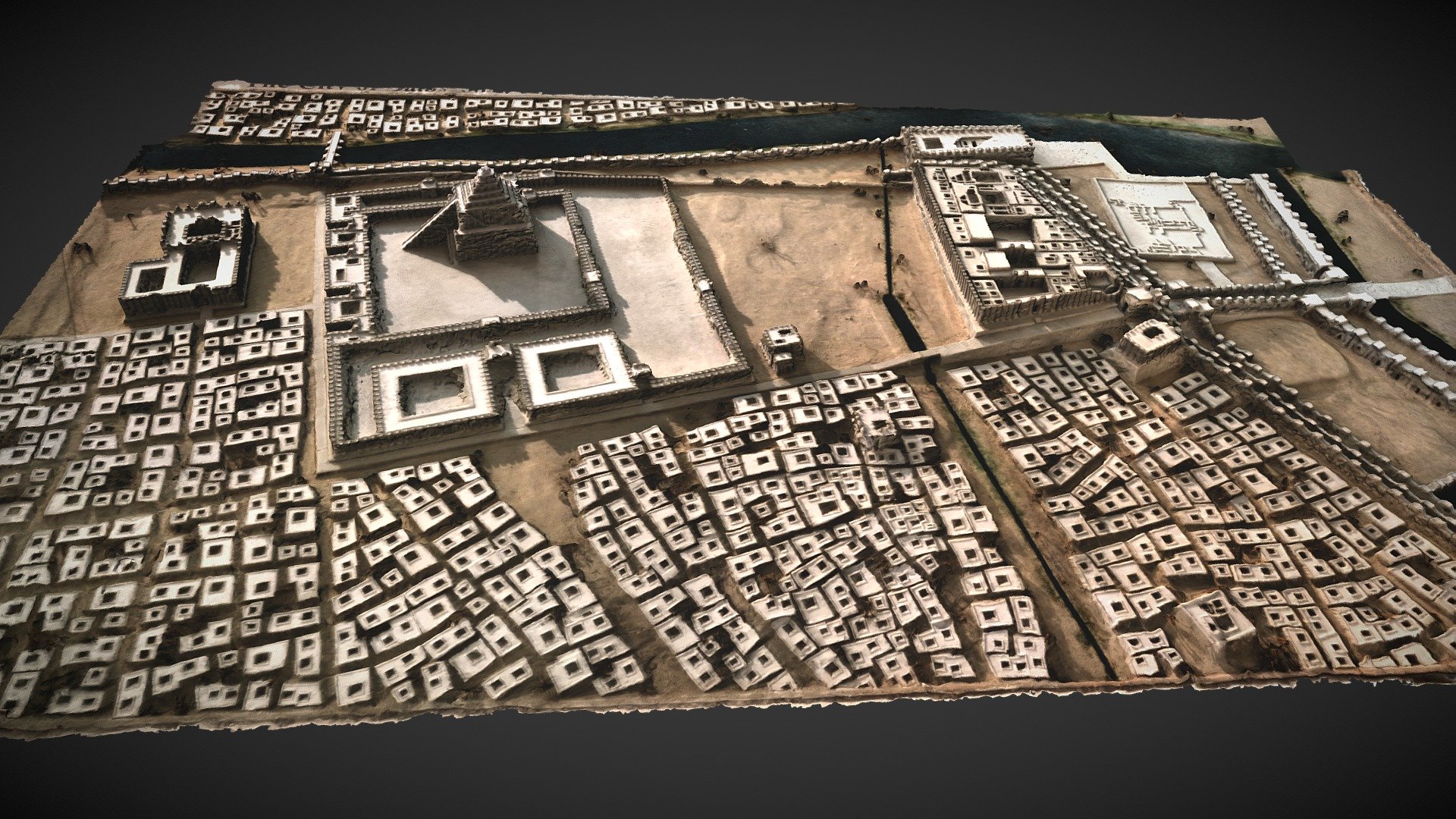
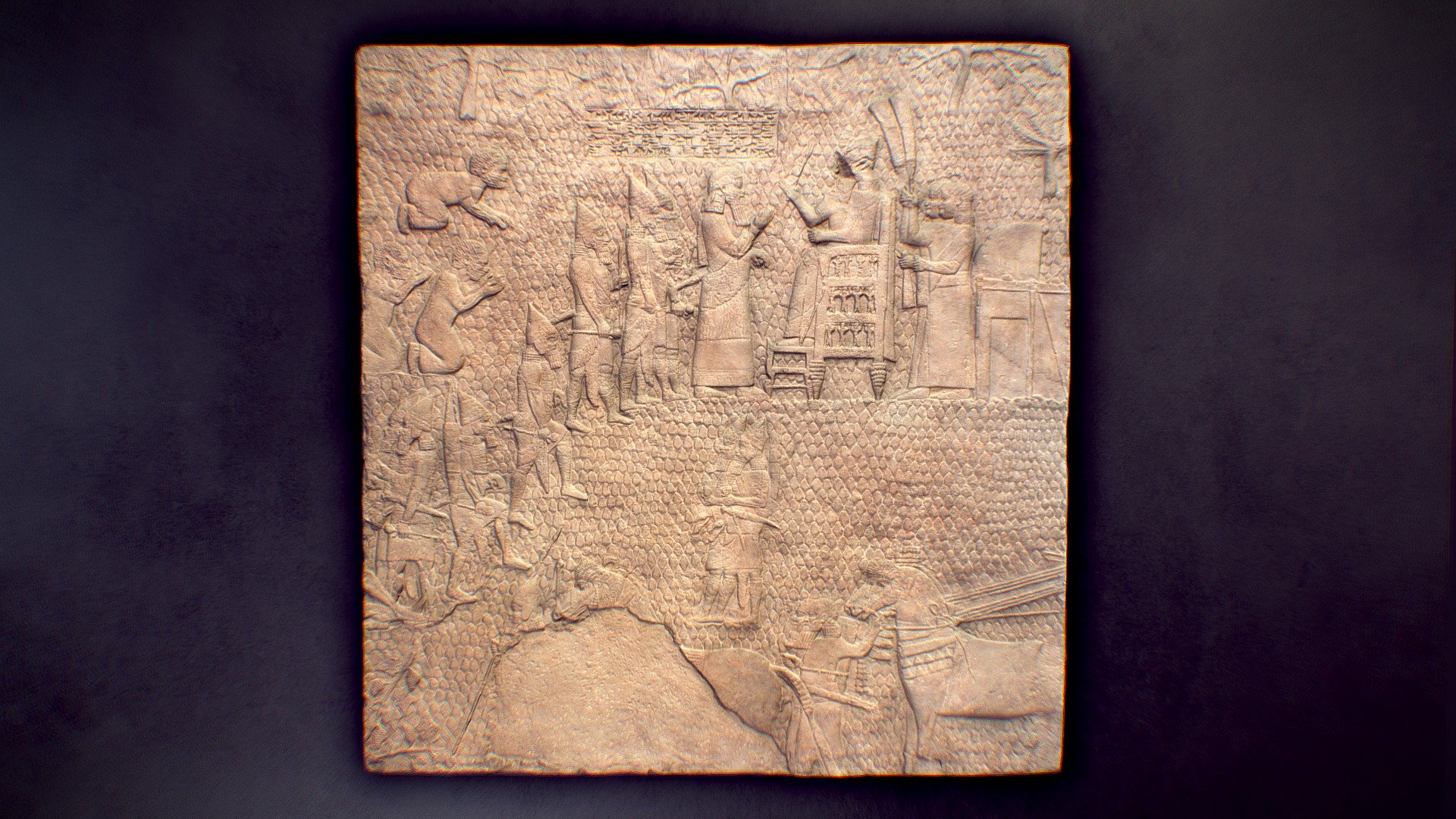
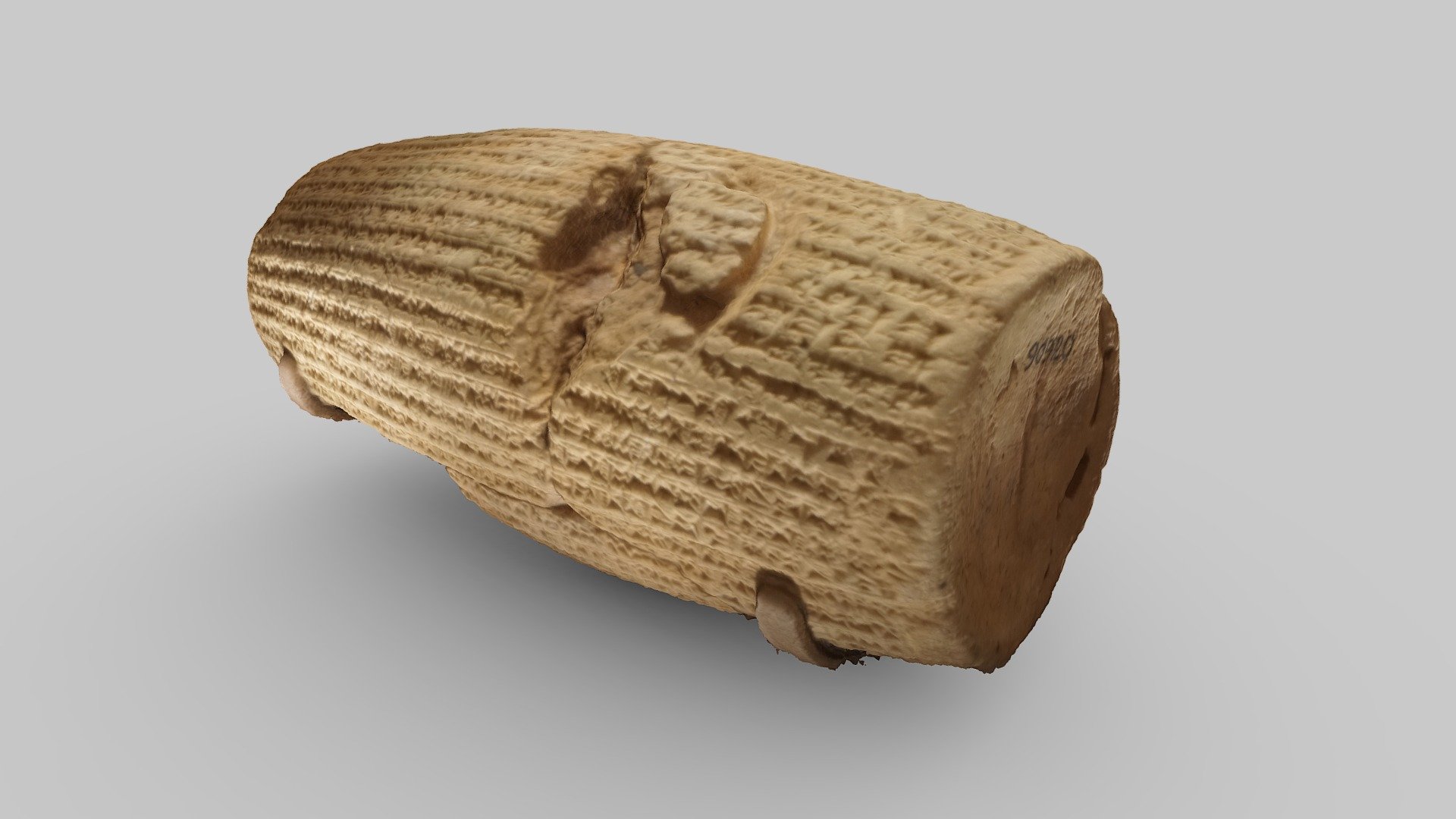
Babylonian Captivity & Post-Exilic Return (Wiki Article • History & Monarchy): In 586 BCE, Nebuchadnezzar of Babylon destroyed Jerusalem and deported Judah , including King Jehoiachin and High Priest Jehozadak ( 1 Chronicles 6:15 ), before the Persian decree of Cyrus enabled Zerubbabel , Joshua , Ezra , and Nehemiah to rebuild the Temple and walls of Jerusalem . It is closely linked with Neo-Babylonian Empire & the Chaldean Hegemony (c. 626–539 BC Golden Age of Babylon under Nabopolassar and Nebuchadnezzar II, destruction of Jerusalem 586 BC): The Chaldean empire that overthrew Assyria , rebuilt Babylon into the wonder of the ancient world ( Ishtar Gate , Processional Way, Etemenanki Ziggurat, Hanging Gardens), and besieged, looted, and burned the Temple of Solomon in Jerusalem in 586 BC.
Biblical Geography & Sacred Architecture
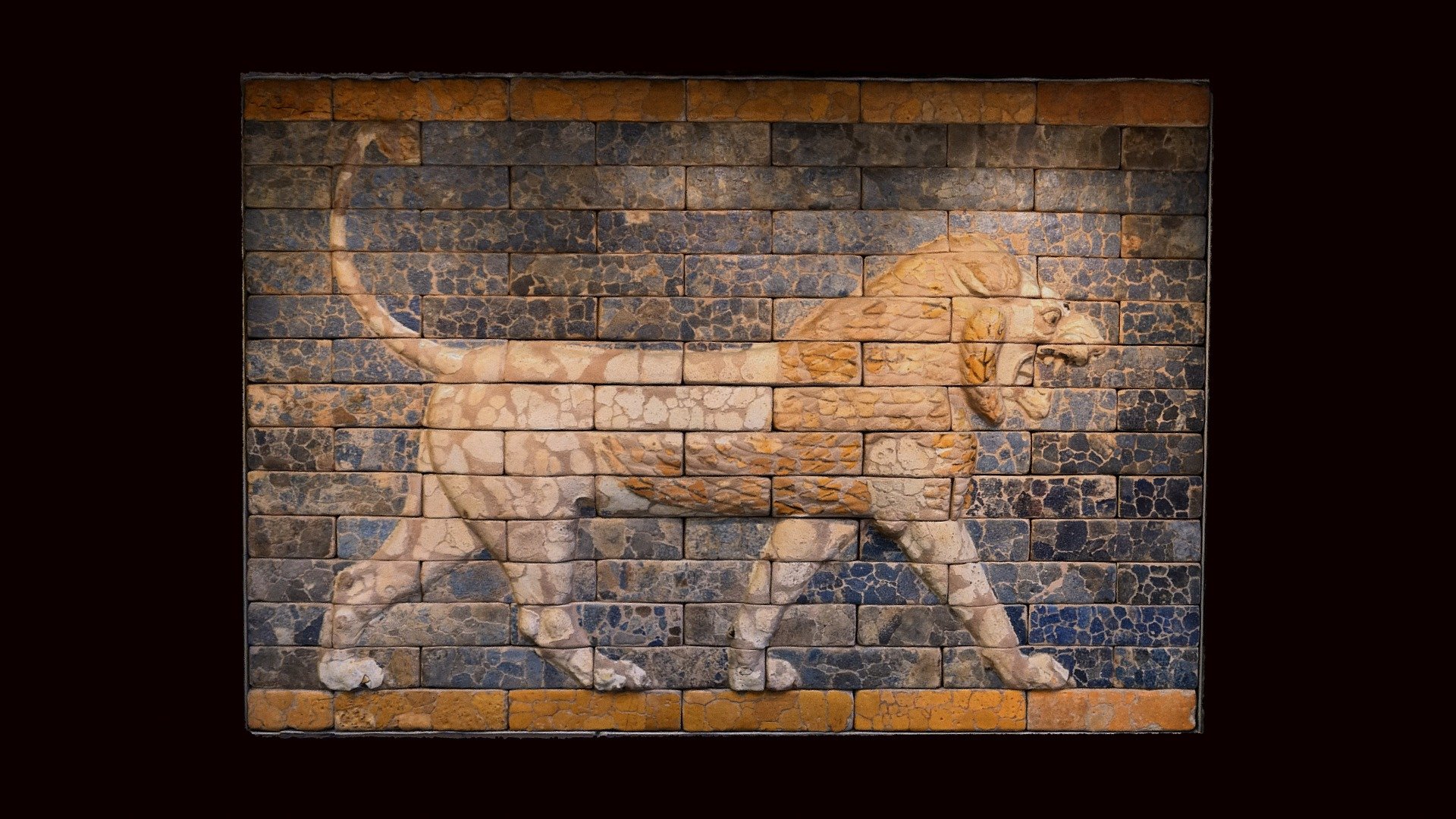
3D Sanctuary Reconstructions: Lion Panel from Nebuchadnezzar II's Throne Room — Molded polychrome glazed brick relief panel of a striding roaring lion from the facade of King Nebuchadnezzar II's Throne Room and Processional Way in Babylon —symbolizing royal Babylonian power as echoed in Jeremiah 50:17 and Daniel 7:4 . Ishtar Gate of Babylon — Monumental double gate on the northern wall of inner Babylon constructed by King Nebuchadnezzar II around 575 BC during the era of Daniel and the Judean exile, clad in brilliant cobalt-blue glazed bricks embossed with alternating rows of golden lions, bulls (aurochs), and dragons (mušḫuššu).