Perseverance of the Saints vs. Apostasy
Perseverance of the Saints vs. Apostasy (Eternal Security vs. Falling from Grace in Hebrews 6:4 , John 10:28 & 2 Peter 2:20 ): Examines the warning passages in Hebrews ( Heb 6:4–6 , 10:26–31 ) alongside Christ 's promise that His sheep shall never perish ( John 10:28 ), debating whether a true believer can forfeit salvation. Within church history, this relates directly to Pelagianism & Semi-Pelagianism—Pelagius, a British ascetic monk, taught that Adam 's sin injured only himself and set a bad example, that infants are born in Adam 's pre-fall state of innocence, and that human free will possesses the natural capability to fulfill God's commandments without the inner supernatural aid of grace. Semi-Pelagianism (modified by Cassian) conceded original sin but maintained that the initial step of faith (initium fidei) originates from human free will.
Church History Lineage & Historical Movements
Pelagianism & Semi-Pelagianism (Apostolic & Patristic (30–451 AD)): Pelagius, a British ascetic monk, taught that Adam 's sin injured only himself and set a bad example, that infants are born in Adam 's pre-fall state of innocence, and that human free will possesses the natural capability to fulfill God's commandments without the inner supernatural aid of grace. Semi-Pelagianism (modified by Cassian) conceded original sin but maintained that the initial step of faith (initium fidei) originates from human free will. Catalyst: Council of Carthage (418 AD) and Second Council of Orange (529 AD). Canons of the Second Council of Orange (529 AD) (Post-Chalcedonian & Medieval (451–1517 AD)): The 25 Canons of the Council of Orange (drafted by Caesarius of Arles based on Augustine's writings) defined that by the sin of Adam the free will of man is so wounded that no one can love God, believe in God, or do good for God's sake unless the grace of divine mercy anticipates him (*gratia praeveniens*), affirming that even the desire for cleansing is worked by the Holy Spirit. Catalyst: Second Council of Orange (529 AD). Pharisees (Perushim) ( Second Temple (516 BC–70 AD)): The Pharisees were a prominent religious and social movement in Second Temple Judaism that emphasized meticulous adherence to the written Mosaic Law and ancestral oral traditions, personal holiness in daily life, the resurrection of the dead, divine providence, and the existence of angels and spirits. Catalyst: Hasmonean crisis and post-Maccabean factionalism.
Theological Perspectives & Multi-Tradition Framing
Perseverance of the Saints vs. Apostasy (Soteriology & Sacraments): Examines the warning passages in Hebrews ( Heb 6:4–6 , 10:26–31 ) alongside Christ 's promise that His sheep shall never perish ( John 10:28 ), debating whether a true believer can forfeit salvation. Consensus: Agreement across traditions that endurance in holiness and faith is the mark of authentic discipleship, and that persistent unrepentant sin leads to destruction. Divergence: Divergence between the belief that genuine regenerate believers can never fall away (Perseverance/OSAS) and the view that a believer can voluntarily apostatize and be severed from grace (Arminian/Restorationist/Orthodox). Biblical Inerrancy vs. Infallibility (Hermeneutics & Canon): Examines the nature of biblical inspiration in 2 Timothy 3:16 and 2 Peter 1:20–21 , comparing Chicago Statement Total Inerrancy with Infallibility limited to faith and practice. Consensus: Universal Christian confession that Holy Scripture is divinely inspired, supremely authoritative, and completely trustworthy for knowing God and receiving salvation. Divergence: Debate over whether inspiration guarantees total factual accuracy in historical and scientific details (Chicago Inerrancy) or guarantees infallible truth in theological and moral revelation. Spiritual Gifts & Cessationism (Worship & Ecclesiology): Examines the continuation or cessation of extraordinary miraculous gifts (tongues, prophecy, healings) following the apostolic era and the completion of the New Testament canon ( 1 Cor 13:8–10 ). Consensus: Universal confession that the Holy Spirit sovereignly distributes spiritual gifts to the body of Christ for mutual edification and fruitfulness. Divergence: Clash between Cessationists (sign gifts served exclusively to authenticate apostolic revelation and ceased when the canon was completed) and Continuationists/Pentecostals (gifts remain normative for all church history).
Biblical Geography & Sacred Architecture
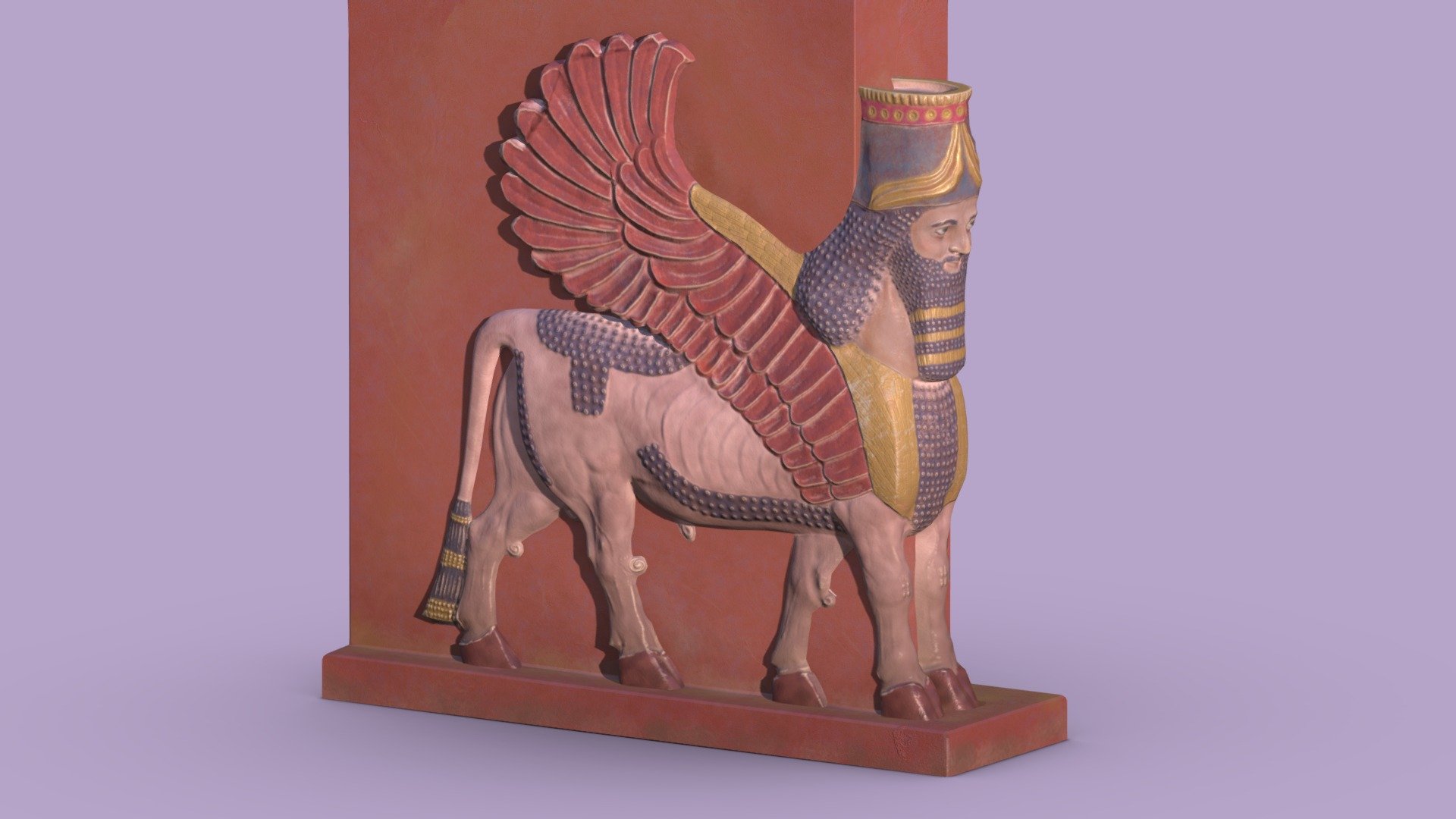
3D Sanctuary Reconstructions: Vespasian Judaea Capta Coin — Imperial bronze sestertius struck by Emperor Vespasian commemorating the subjugation of Judaea and the 70 AD fall of Jerusalem , depicting Judaea mourning beneath a date palm. Persian Lamassu (Gate of All Nations) — Colossal carved limestone winged human-headed bull (Lamassu) guarding the Gate of All Nations built by King Xerxes I (biblical Ahasuerus of the Book of Esther and Ezra 4:6 ) at Persepolis, exemplifying the imperial Achaemenid court architecture of Esther , Ezra , and Nehemiah .
Scripture Witness (KJV) & Canonical Context
Primary KJV scripture witnesses include Psalms 118:91 : "By your ordinance, the day perseveres. For all things are in service to you."; AP.4MA 15:30: "O you nobler in endurance than males, and more manly than men in perseverance!"; Galatians 6:9 : "And let us not be weary in well doing: for in due season we shall reap, if we faint not.".