Knowledge Graph Scripture & Encyclopedia

Search & Explore

Multimedia Filter:
Suggested topics:
Found 8 topics & entities and 0 verses in 4679ms • Auto-routed to Keyword-First
Topic Overview

Nabonidus Cylinder from Sippar

Nabonidus Cylinder from Sippar (IMAGE • archaeology): Foundation barrel cylinder of King Nabonidus with cuneiform prayer naming his eldest son Belshazzar ( Daniel 5 ). It is closely linked with Nabonidus Cylinder of Sippar & Ur (Cuneiform foundation cylinders of the last king of Babylon explicitly naming Belshazzar his eldest son): Large clay foundation cylinders excavated from temple ruins at Sippar and Ur in which King Nabonidus describes restoring sanctuaries and offers prayers for his eldest son, Crown Prince Belshazzar.

Biblical Geography & Sacred Architecture

3D Sanctuary Reconstructions: Nabonidus Cylinder (Belshazzar Coregency) — Cuneiform foundation cylinder of King Nabonidus recording temple restorations and offering a royal prayer for his eldest son Belshazzar, confirming his coregency in Daniel 5 . The Cyrus Cylinder — Ancient barrel-shaped baked clay cylinder inscribed in Babylonian cuneiform on behalf of King Cyrus the Great after his conquest of Babylon in 539 BC, recording his policy of restoring exiled peoples and sacred temple vessels to their homelands—paralleling the decree in Ezra 1:1–4 and 2 Chronicles 36:22–23 .
Connected Topics & Entities Book/Chapter Verse Person Place Lexicon Theology Commentary History Perspective

3D Archaeological Models (8)

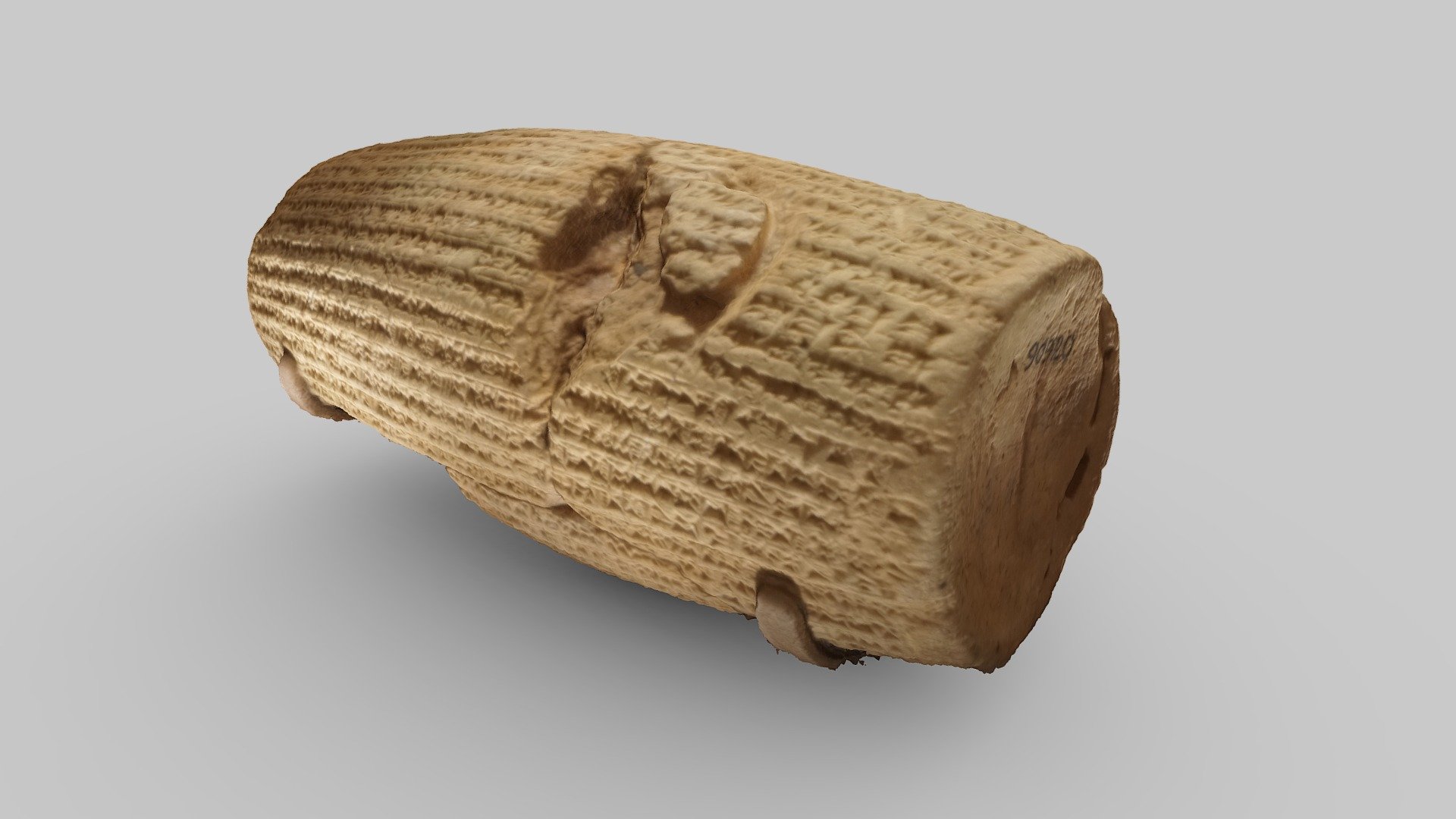
Nabonidus Cylinder (Belshazzar Coregency) 3D & AR
Interactive 3D Foundation Cylinder • Daniel 5:1–30

Cuneiform foundation cylinder of King Nabonidus recording temple restorations and offering a royal prayer for his eldest son Belshazzar, confirming his coregency in Daniel 5 .

The Cyrus Cylinder 3D & AR
Interactive 3D Cuneiform Artifact • Ezra 1:1–4

Ancient barrel-shaped baked clay cylinder inscribed in Babylonian cuneiform on behalf of King Cyrus the Great after his conquest of Babylon in 539 BC, recording his policy of restoring exiled peoples and sacred temple vessels to their homelands—paralleling the decree in Ezra 1:1–4 and 2 Chronicles 36:22–23 .
Ur III Sumerian Cuneiform Tablet 3D & AR
Interactive 3D Cuneiform Tablet • Genesis 11:28–31

Mesopotamian clay administrative tablet from the Third Dynasty of Ur (c. 2100–2000 BC) recording offerings of barley-fed sheep and goats, illustrating the scribal culture and urban economy of southern Mesopotamia around the patriarchal era of Ur of the Chaldeans ( Genesis 11:28–31 ).

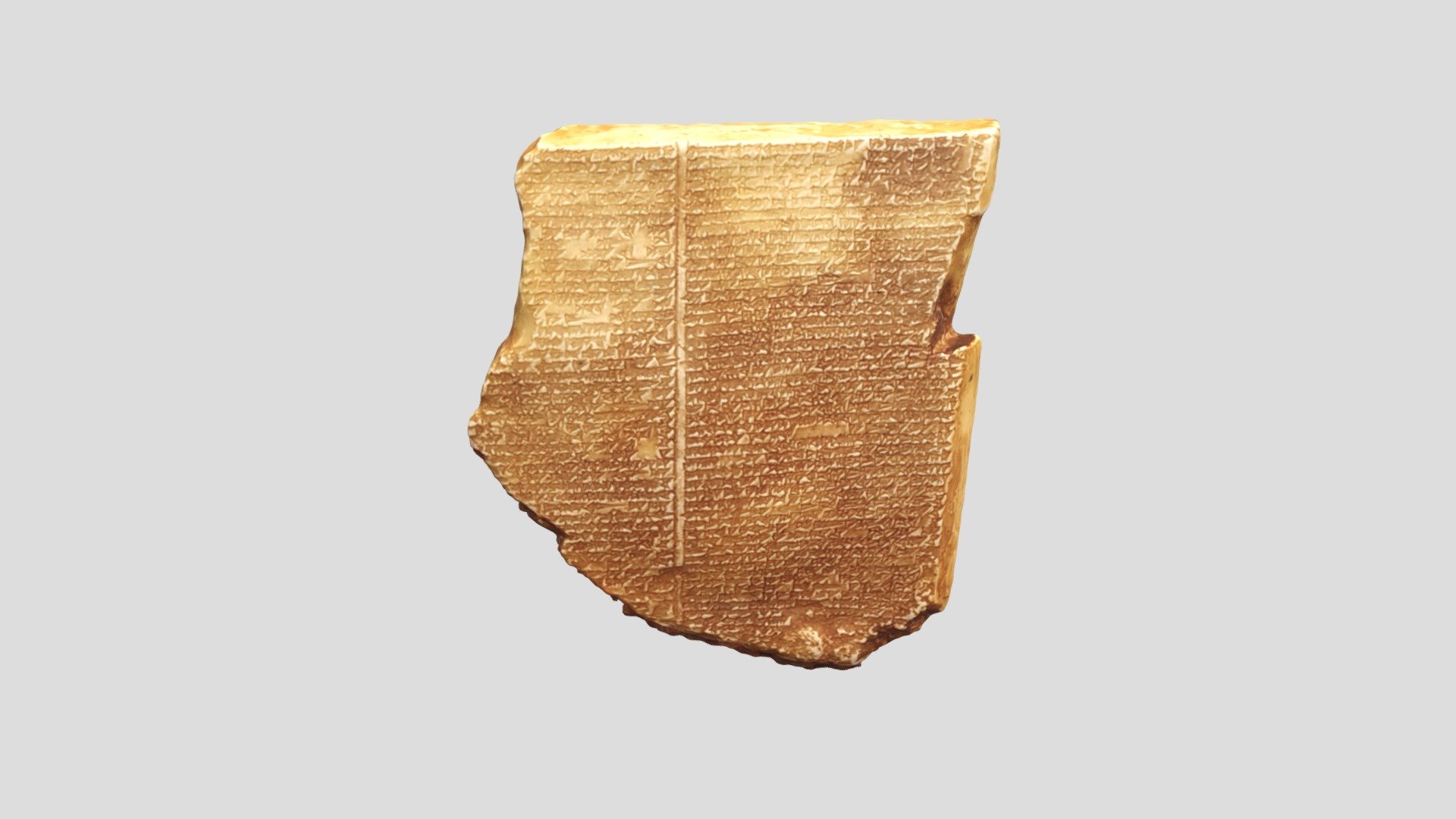
The Flood Tablet (Gilgamesh Tablet XI) 3D & AR
Interactive 3D Cuneiform Tablet • Genesis 6–9

Cuneiform clay tablet excavated at Nineveh from the Royal Library of Ashurbanipal and deciphered by George Smith in 1872. Recording the Mesopotamian flood narrative (releasing a dove, swallow, and raven as the ark comes to rest on a mountain), it provides a remarkable ancient Near Eastern comparative witness alongside Genesis 6 –9.

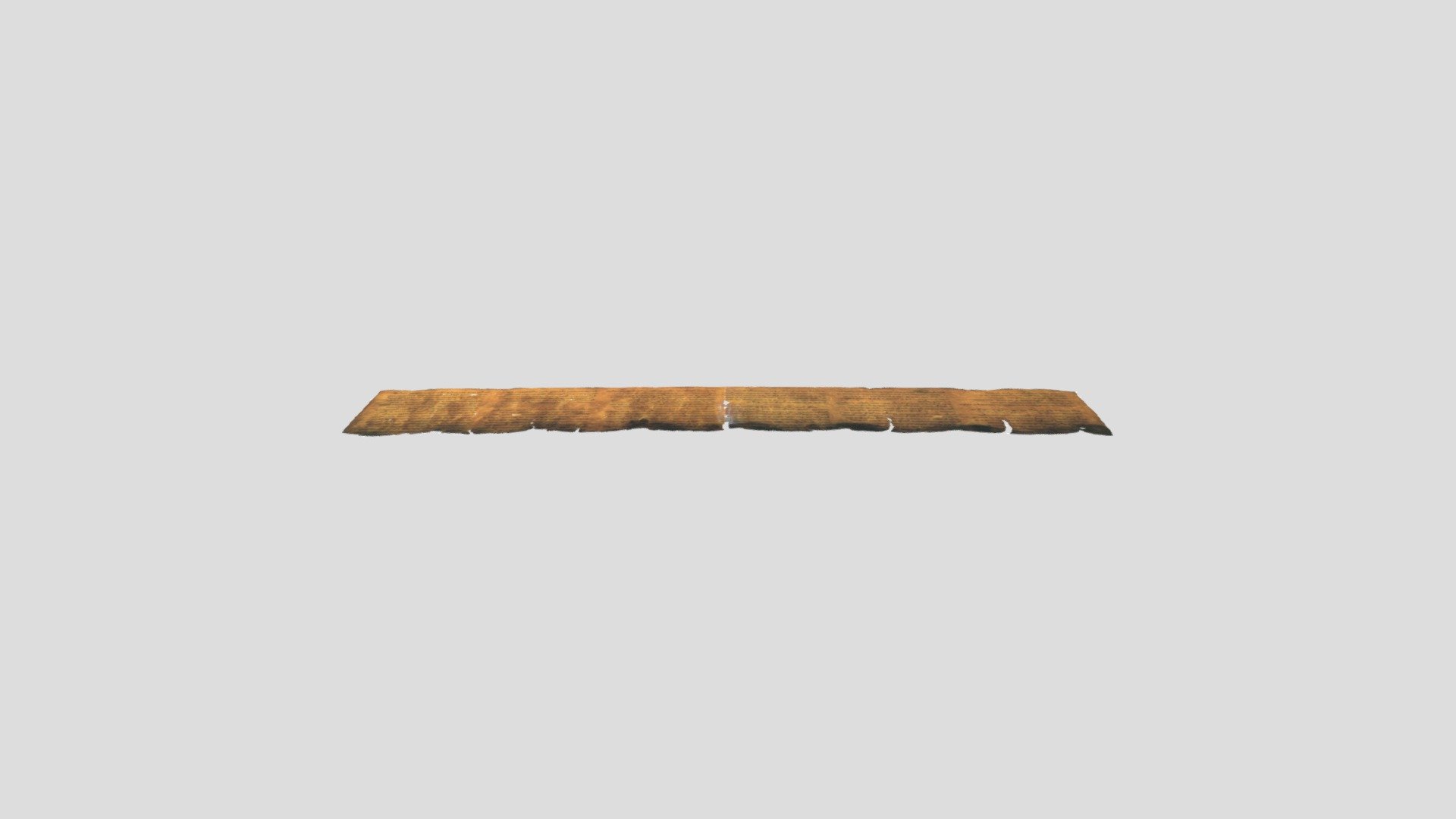
Dead Sea Scrolls & Qumran Storage Jars 3D & AR
Interactive 3D Manuscript & Jar Reconstruction • Isaiah 40 & Psalms

Second Temple period biblical manuscripts written on parchment and papyrus and sealed inside cylindrical terracotta storage jars in the eleven caves above Khirbet Qumran on the northwest shore of the Dead Sea—including the complete Great Isaiah Scroll (1QIsaᵃ).

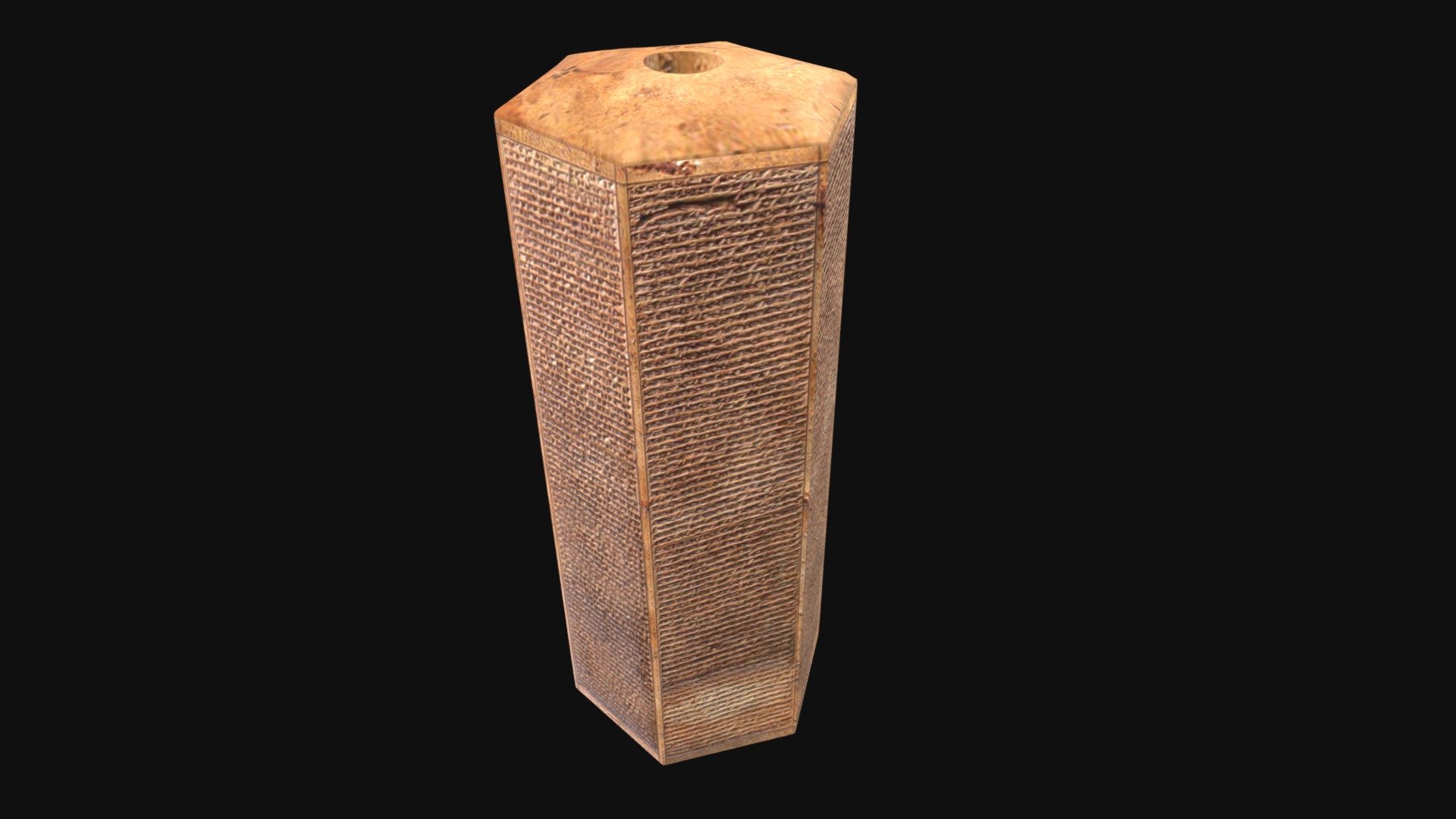
Sennacherib's Prism (Taylor Prism) 3D & AR
Interactive 3D Cuneiform Prism • 2 Kings 18–19 & Isaiah 36–37

Six-sided baked clay prism discovered at Nineveh inscribed with the annals of Assyrian King Sennacherib's 701 BC campaign against Judah , famously declaring that he shut up ' Hezekiah the Judahite within Jerusalem , his royal city, like a bird in a cage'—without claiming to capture the city ( 2 Kings 19:32–36 ).

Code of Hammurabi Stele 3D & AR
Interactive 3D Legal Monument • Exodus 21:1–25

Monumental black diorite stele containing 282 legal judgments of King Hammurabi of Babylon , displaying profound thematic and legal parallels with biblical Mosaic law.

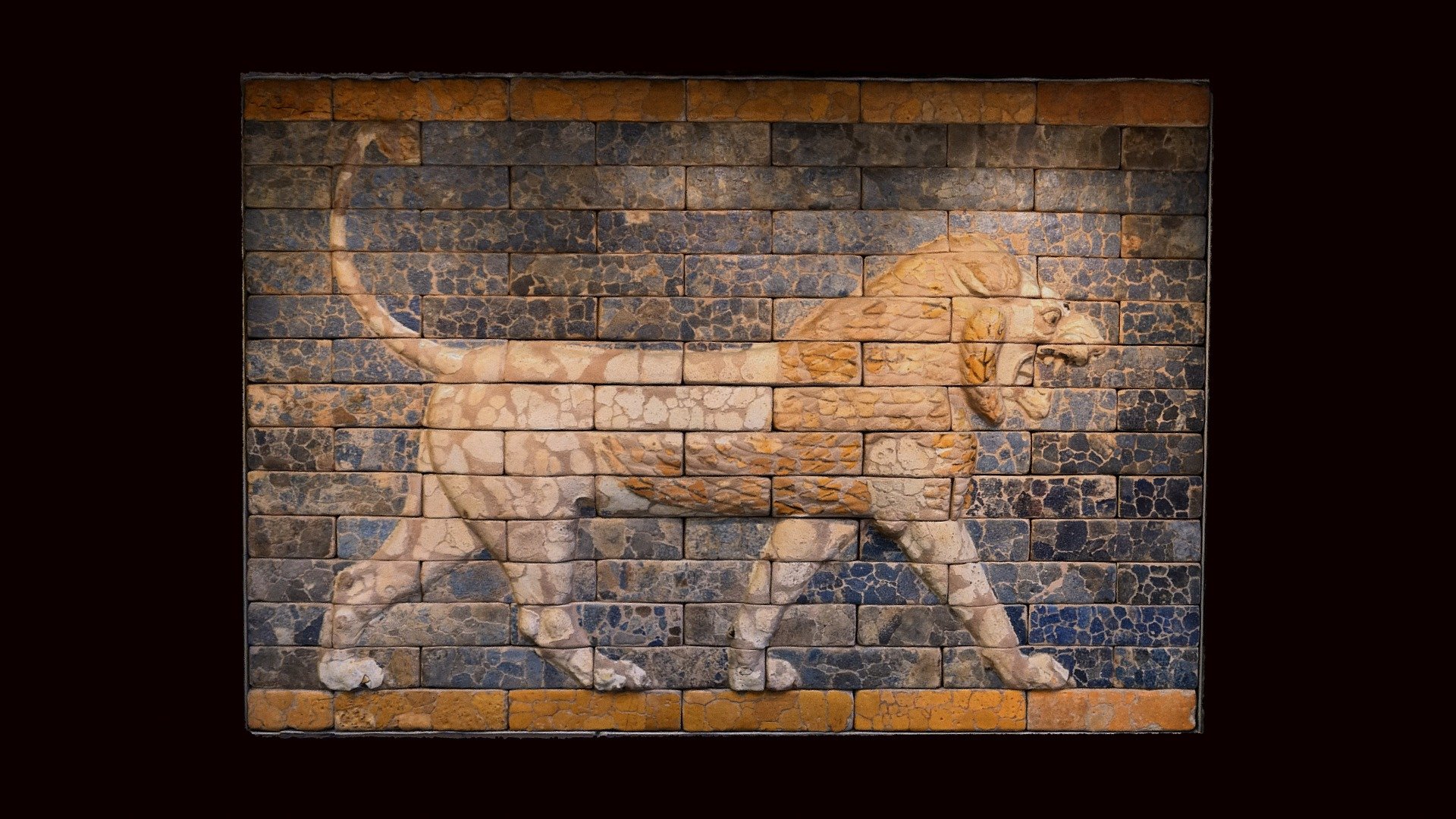
Lion Panel from Nebuchadnezzar II's Throne Room 3D & AR
Lion Panel from Nebuchadnezzar II's Throne Room
Connected via Nabonidus Cylinder from Sippar → Lion Panel from Nebuchadnezzar II's Throne Room 46% 3D Model
Interactive 3D Glazed Brick Relief • Daniel 4:30 & Daniel 7:4

Molded polychrome glazed brick relief panel of a striding roaring lion from the facade of King Nebuchadnezzar II's Throne Room and Processional Way in Babylon —symbolizing royal Babylonian power as echoed in Jeremiah 50:17 and Daniel 7:4 .

Link copied to clipboard
Article Wiki

Title

Open Page → Explore