1
Literal Translation / Primary Inscription
Epigraphic RecordGreek inscription reads: 'TYROY IERAS KAI ASYLOY' (Of Tyre, the Holy and Inviolable). Weighs approx. 14.2 grams of silver (shekel) and 7 grams (half-shekel / didrachma).
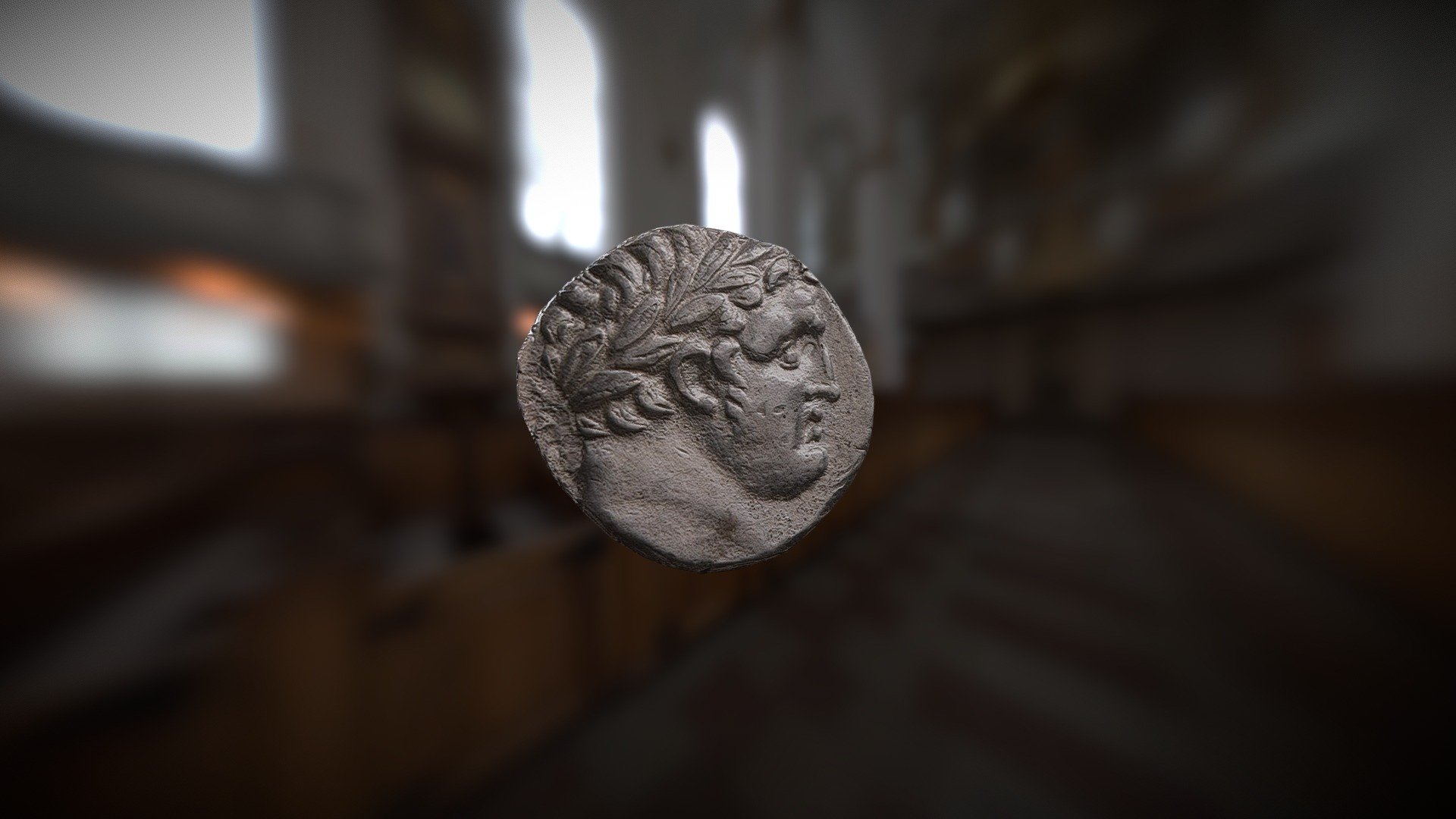
High-purity silver tetradrachm of Tyre required by the Sanhedrin for the annual Temple half-shekel tribute
A heavy silver coin (approx. 14 grams, 94%+ pure silver) bearing the laureate head of Phoenician god Melqart/Herakles on the obverse and an eagle on the reverse, mandated by temple authorities because of its unadulterated silver content.
Rigorous 4-part empirical analysis separating ancient text from bias and consensus
Greek inscription reads: 'TYROY IERAS KAI ASYLOY' (Of Tyre, the Holy and Inviolable). Weighs approx. 14.2 grams of silver (shekel) and 7 grams (half-shekel / didrachma).
The exact coin required for the annual half-shekel temple tax (`MAT.17:24–27` where Peter finds a shekel/stater in the fish's mouth for two people), the currency of the moneychangers overturned by Jesus (`MAT.21:12`), and the 'thirty pieces of silver' paid to Judas (`MAT.26:15`).
Scholars note the religious irony: the Temple strictly prohibited graven images, yet accepted coins with the pagan head of Melqart because their high silver purity satisfied Levitical weight requirements.
Commercial municipal currency reflecting Phoenician trade dominance and Jerusalem monetary pragmatism.