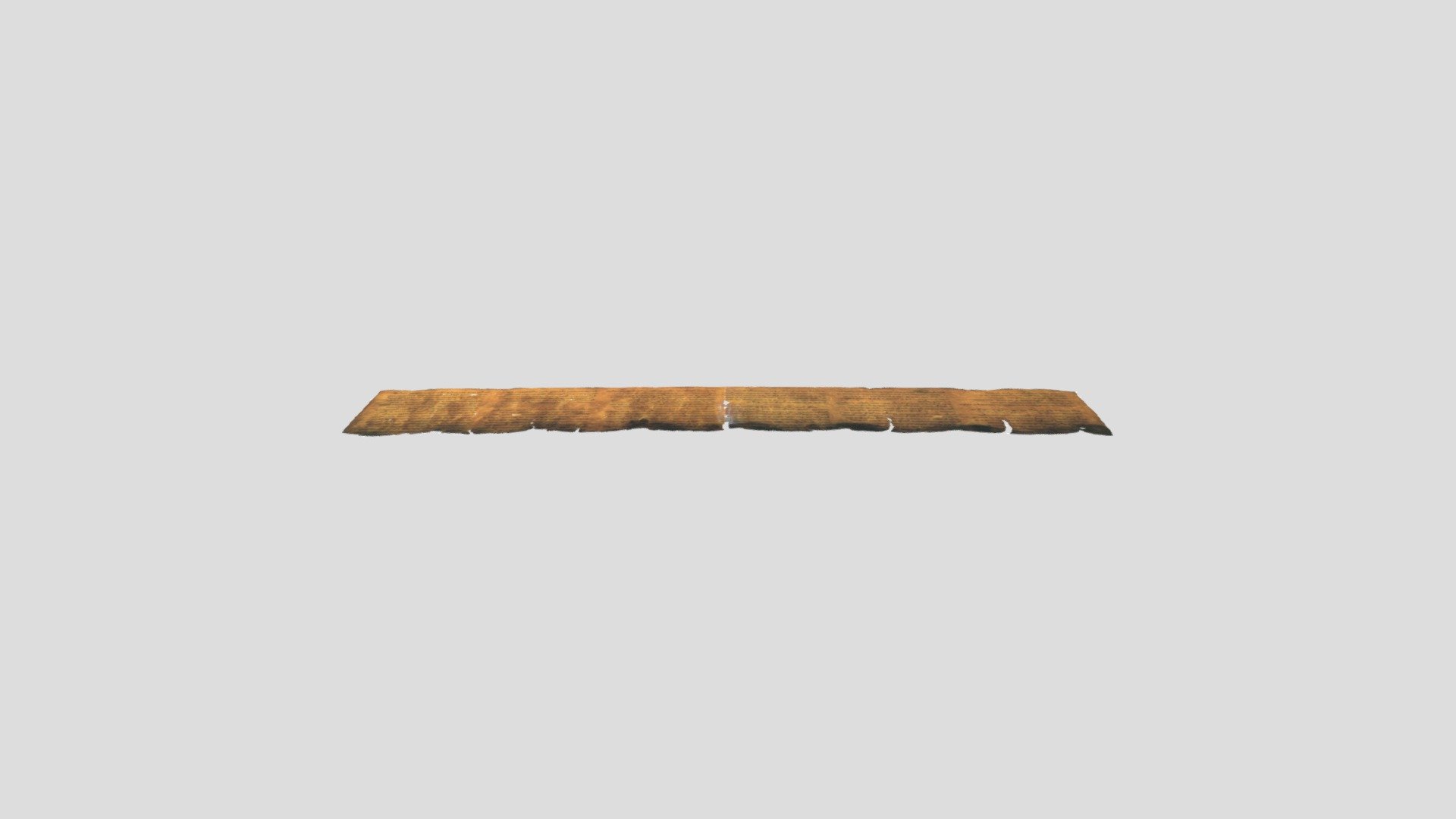
Second Temple JewishHellenistic & Maccabeanpapyrus
Great Isaiah Scroll (1QIsaa)
c. 125 BC complete 7.34-meter Hebrew parchment scroll from Qumran Cave 1 confirming the textual preservation of Isaiah
T1Direct Archaeological Attestation98%
c. 150–100 BC
Discovery Excavation:Cave 1, Khirbet Qumran, Dead Sea, West Bank (Bedouin shepherd Jum'a, 1947)
Current Museum / Accession:Shrine of the Book, Israel Museum, Jerusalem (IAA 1947-1)
The crown jewel of the Dead Sea Scrolls: a complete 54-column leather scroll containing all 66 chapters of the Book of Isaiah, written a millennium earlier than the previously oldest surviving Hebrew manuscripts (Aleppo and Leningrad Codices).
Corroboration Distribution for Connected Passages (43 records)
91% Confidence
43 sources
53.49%
27.91%
13.95%
Direct Archaeology23(53.49%)
Ancient Historians12(27.91%)
Dead Sea Scrolls & Manuscripts6(13.95%)
Scholarly Consensus1(2.33%)
Debated & Traditional1(2.33%)
Claim-by-Claim Epistemic Verification Breakdown
Rigorous 4-part empirical analysis separating ancient text from bias and consensus
1
Literal Translation / Primary Inscription
Epigraphic Record
Column XLIV preserves Isaiah 53 (the Suffering Servant): 'Surely he has borne our griefs and carried our sorrows... he was pierced for our transgressions, crushed for our iniquities; upon him was the chastisement that brought us peace, and with his wounds we are healed.'
2
Biblical Corroboration & Cross-References
Scriptural Harmony
Demonstrates the staggering, virtually word-for-word textual fidelity of the Hebrew biblical text over 1,000 years of transmission, with 95%+ identical correspondence to the medieval Masoretic Text in Isaiah 53, with only minor orthographic and spelling variations.
Scholarly Debate, Historiography & Modern Consensus
Critical Nuance
In Isaiah 53:11, 1QIsaa reads 'Out of the anguish of his soul he shall see light and be satisfied', matching the Greek Septuagint against the Masoretic Text (which omitted 'light'), proving the ancient antiquity of the Septuagint reading.
4
Ancient Author Bias, Royal Propaganda & Perspective
Ideological Context
Sacred communal scriptural text copied with extreme scribal reverence by the sectarian Essene community of Qumran.