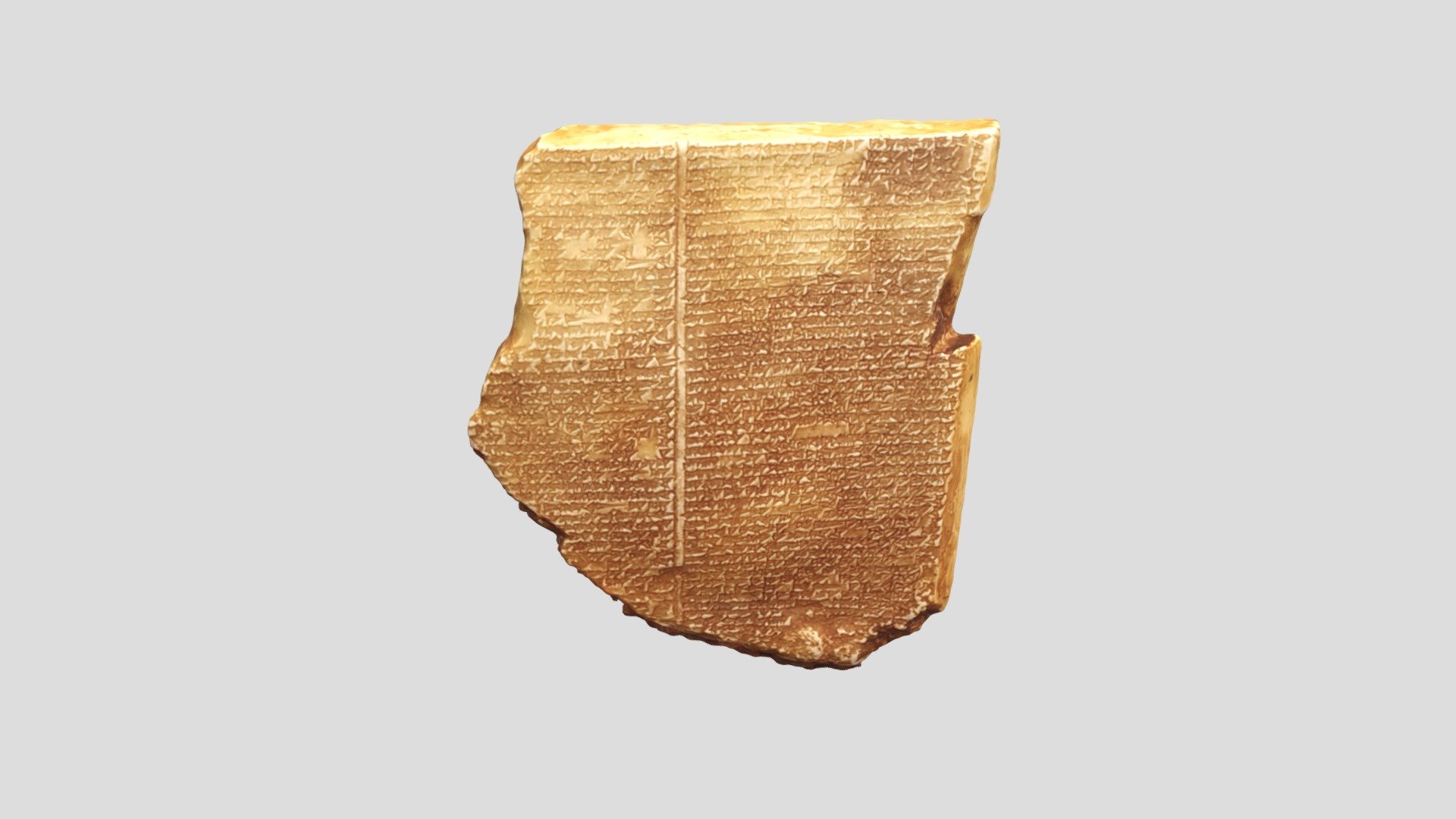
Current Museum / Accession:British Museum, London (BM K.3375)
Tablet XI of the Epic of Gilgamesh, which electrified the Victorian world when George Smith translated Utnapishtim's story of surviving an all-encompassing divine flood in an ark with animals.
Corroboration Distribution for Connected Passages (12 records)
74% Confidence
12 sources
16.67%
16.67%
58.33%
Direct Archaeology1(8.33%)
Ancient Historians2(16.67%)
Dead Sea Scrolls & Manuscripts2(16.67%)
Scholarly Consensus7(58.33%)
Debated & Traditional0(0%)
Claim-by-Claim Epistemic Verification Breakdown
Rigorous 4-part empirical analysis separating ancient text from bias and consensus
1
Literal Translation / Primary Inscription
Epigraphic Record
Lines 14–157 recount: the god Ea warns Utnapishtim to dismantle his house, build a massive reed ship sealed with bitumen, bring beasts of the field, weather a devastating 6-day storm that terrifies the gods, and release a dove, swallow, and raven to find dry ground.
2
Biblical Corroboration & Cross-References
Scriptural Harmony
Parallels the Noahic Flood account in Genesis 6–9 in extraordinary structural detail (building an ark, sealing with pitch, divine preservation of seed, sending forth birds, animal sacrifice upon disembarking).
Scholarly Debate, Historiography & Modern Consensus
Critical Nuance
Comparative scholars analyze deep theological contrasts: Gilgamesh features petty gods quarreling over human noise and swarming like flies around meat sacrifice, whereas Genesis 6–9 depicts a holy, moral God judging human violence with grief and covenant grace.
4
Ancient Author Bias, Royal Propaganda & Perspective
Ideological Context
Mesopotamian heroic literary myth exploring existential grief, mortality, and the unattainable quest for eternal physical youth.